




Rheinhessen is known for its top-quality and diverse wines, vineyard tours through the rolling Tuscan-like landscape west of the Rhine Bend, and, of course, culinary delights.
But there's so much more to discover: Today I'm going to introduce you to 6 green oases in Rheinhessen that I'm sure you haven't all visited yet! We'll start our journey in the north, right on the Rhine.
A Lively Scene on the Kulturufer in Bingen
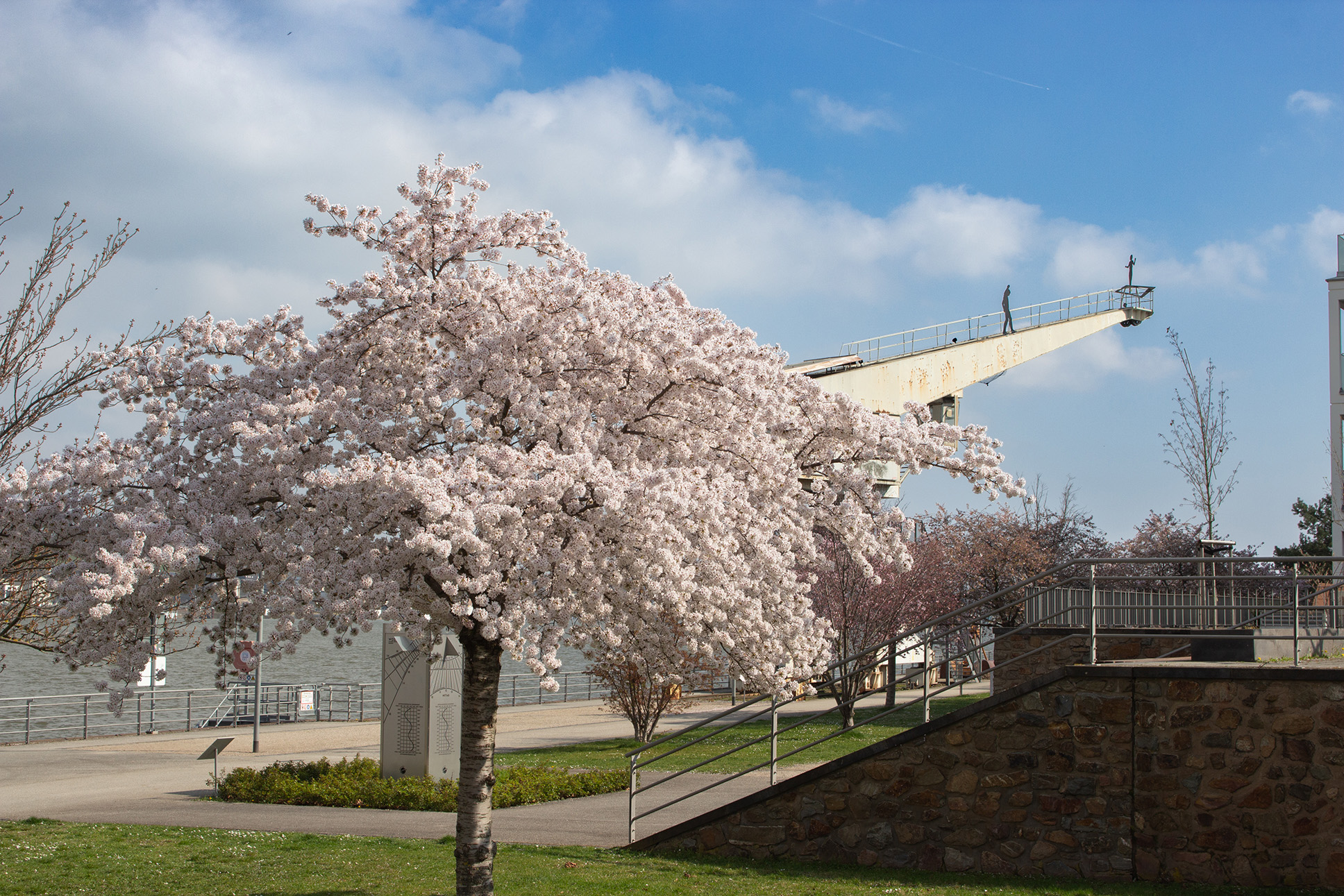
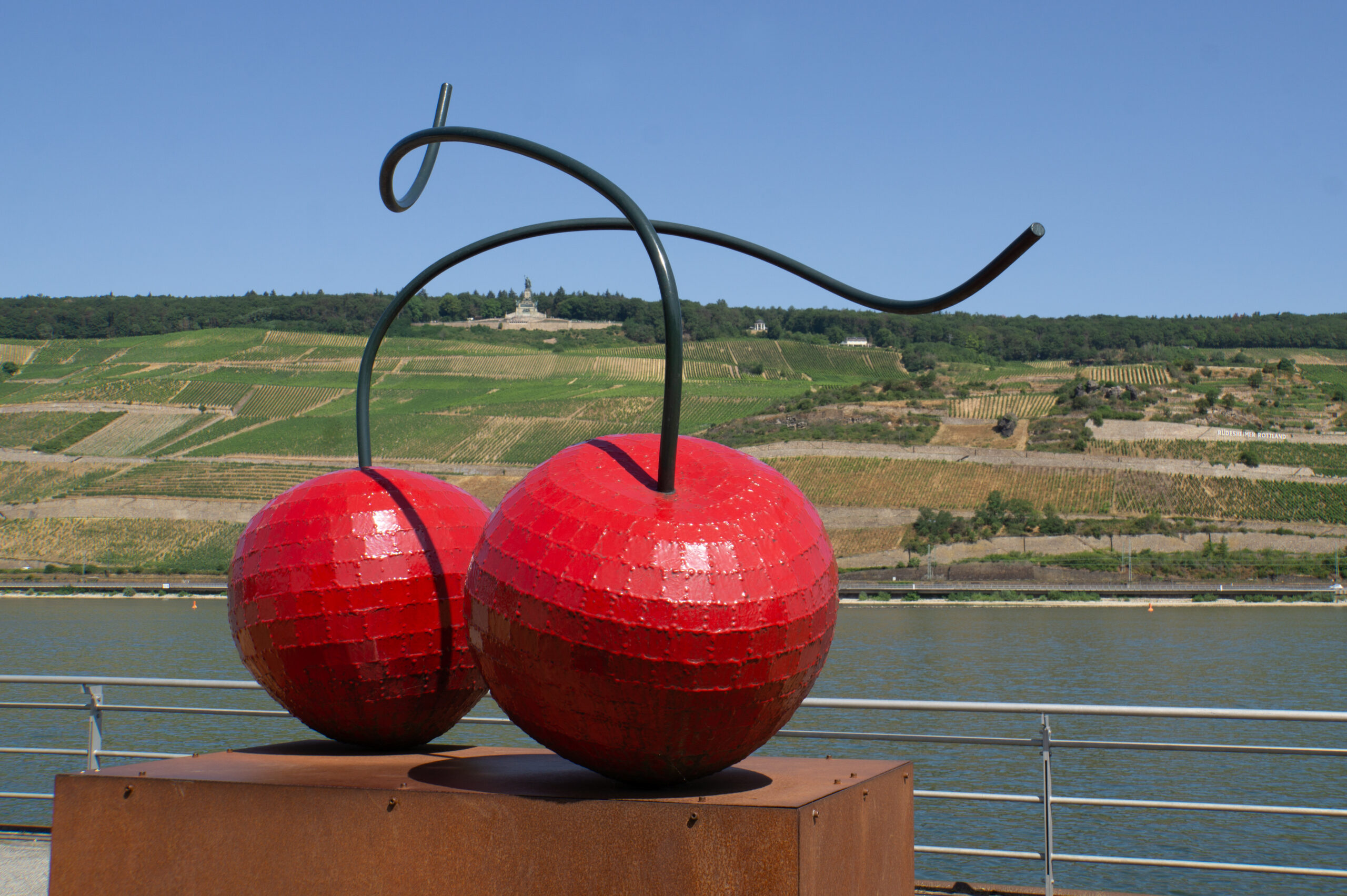
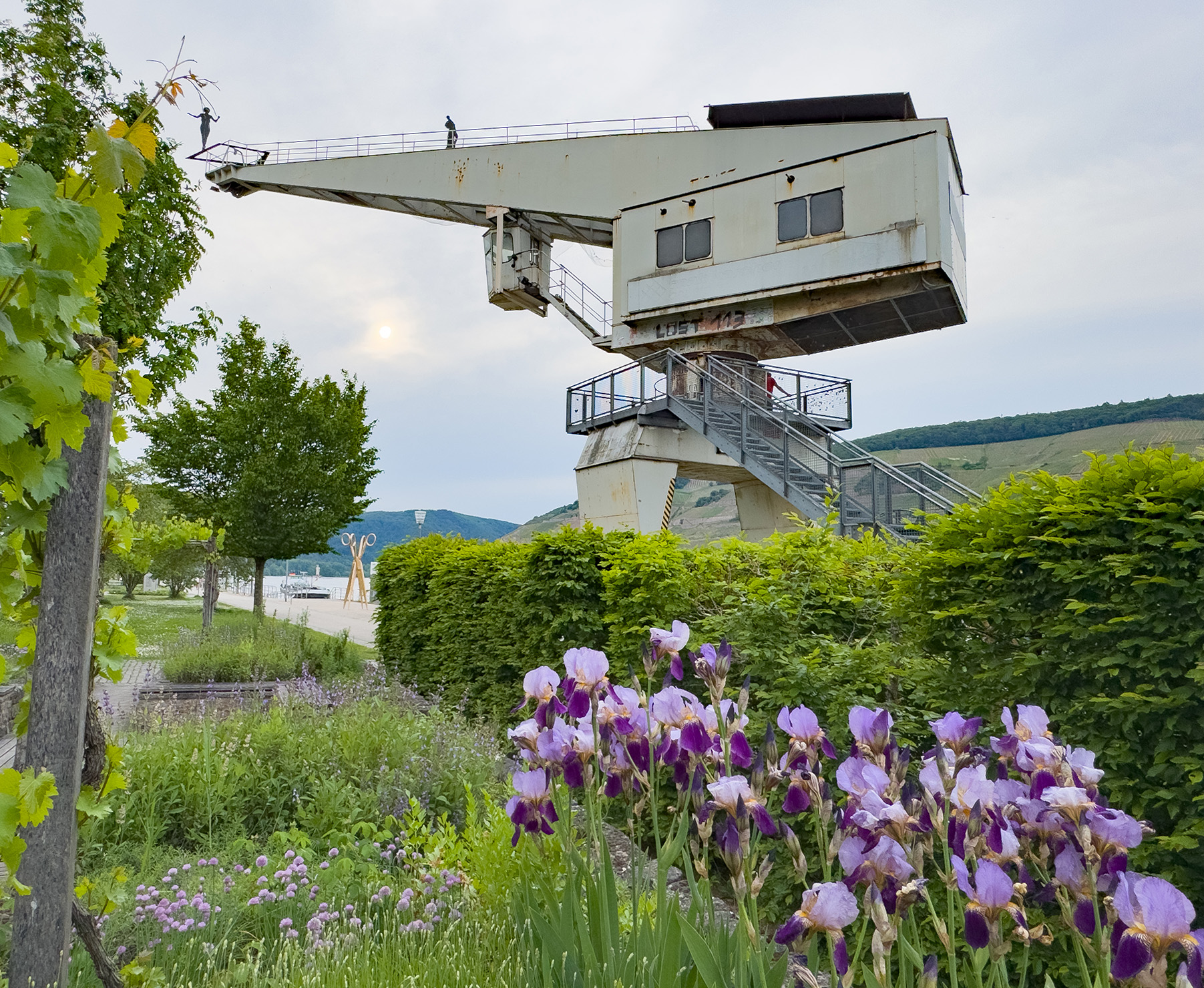
Between the legendary Mäuseturm in the Middle Rhine Valley and the ferry terminal, which transports plenty of visitors from Rüdesheim across the river to Bingen, lies the „Culture bank Bingen“. A place for gathering, celebration, and enjoyment. „Rhein in Flammen,“ „Bingen Swings,“ „Das Museum am Strom“—all of these reflect the diverse cultural scene along the riverfront of this charming town. But the cultural riverfront isn’t just lively—it’s also a place of tranquility and enjoyment. The historic crane serves as a reminder of times long past and of Bingen’s history as a commercial hub on the Rhine; right next door—if we climb a few steps—lies our first green oasis. The creatively designed garden next to the historic crane enchants visitors with its splendor of blooms in every season and invites you to relax and linger in its cozy nooks. A cozy spot, a good book, letting your gaze wander into the distance toward the Niederwald Monument across the Rhine on the Hessian side—it couldn’t be better—I’ve discovered this oasis for myself.
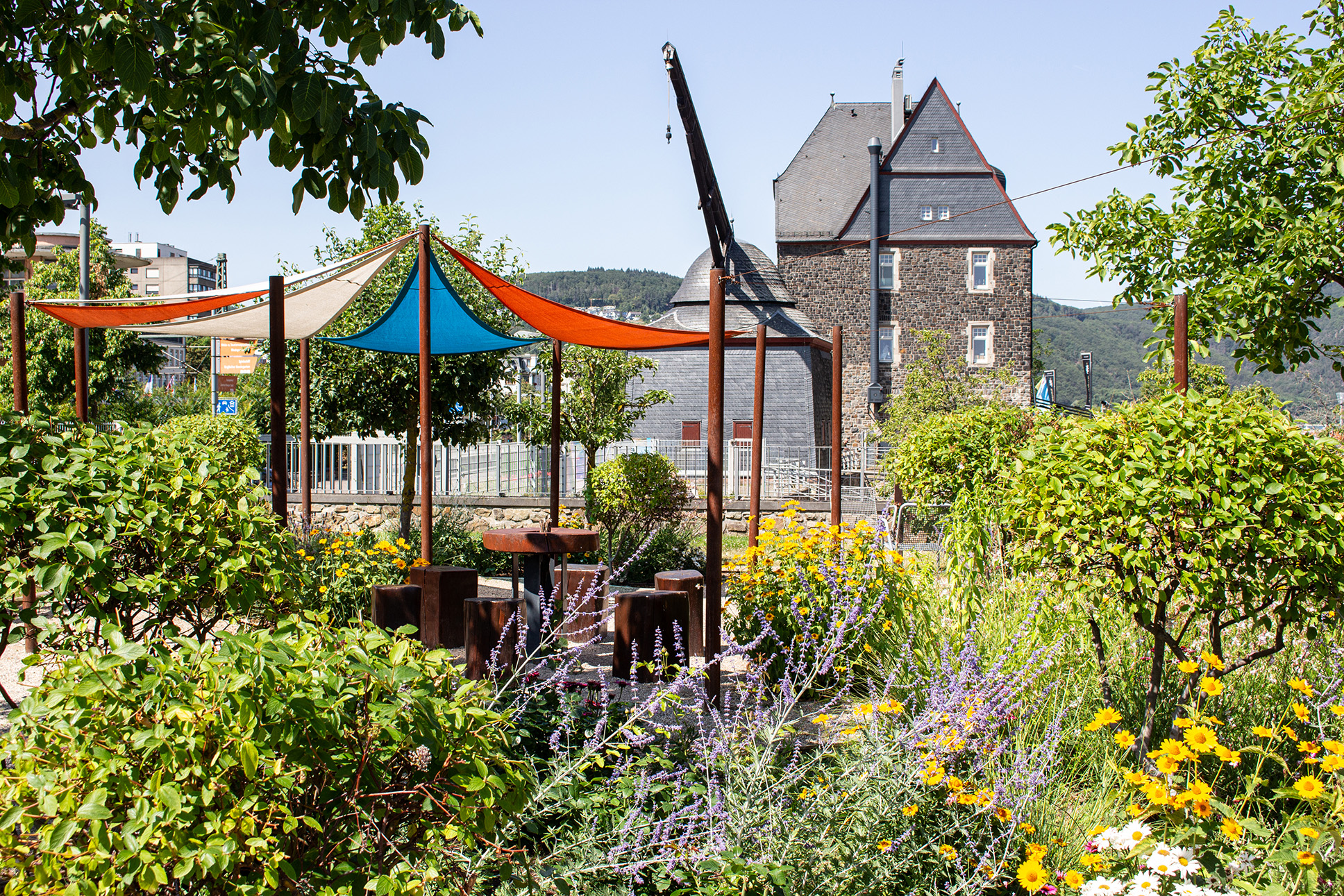
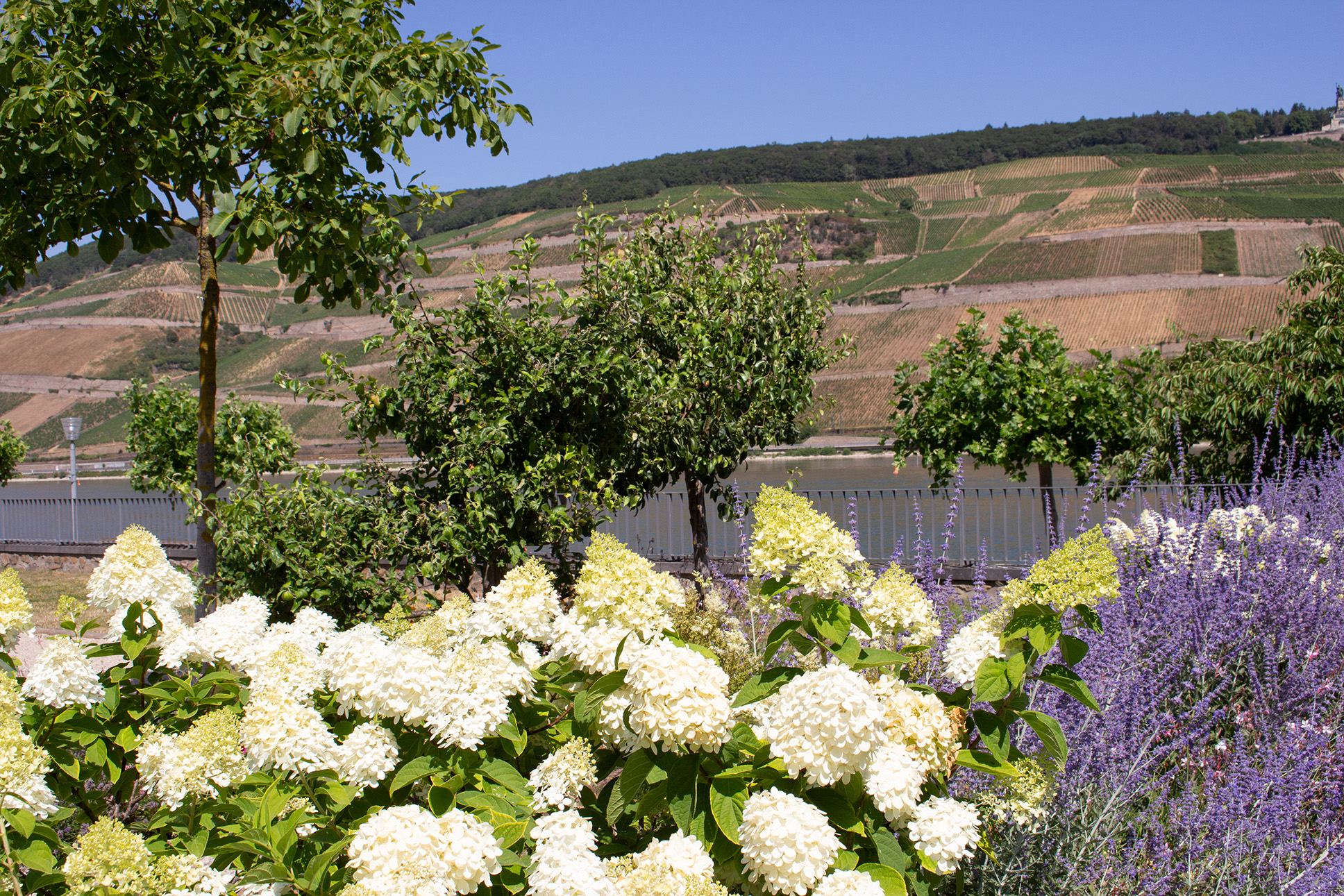
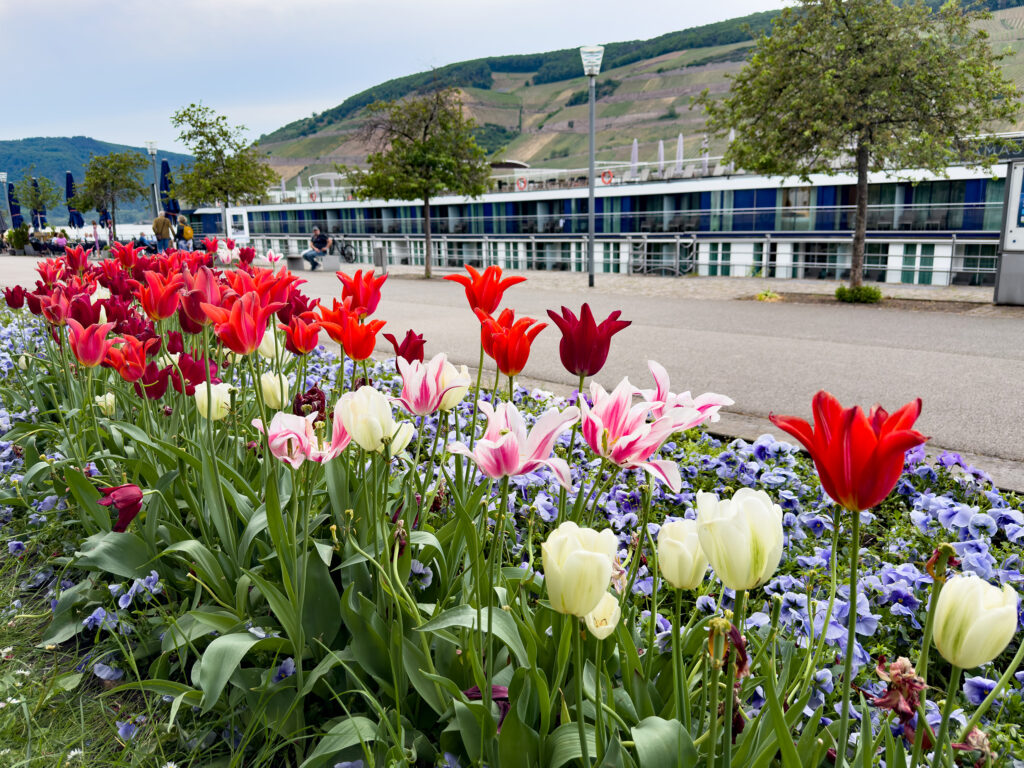
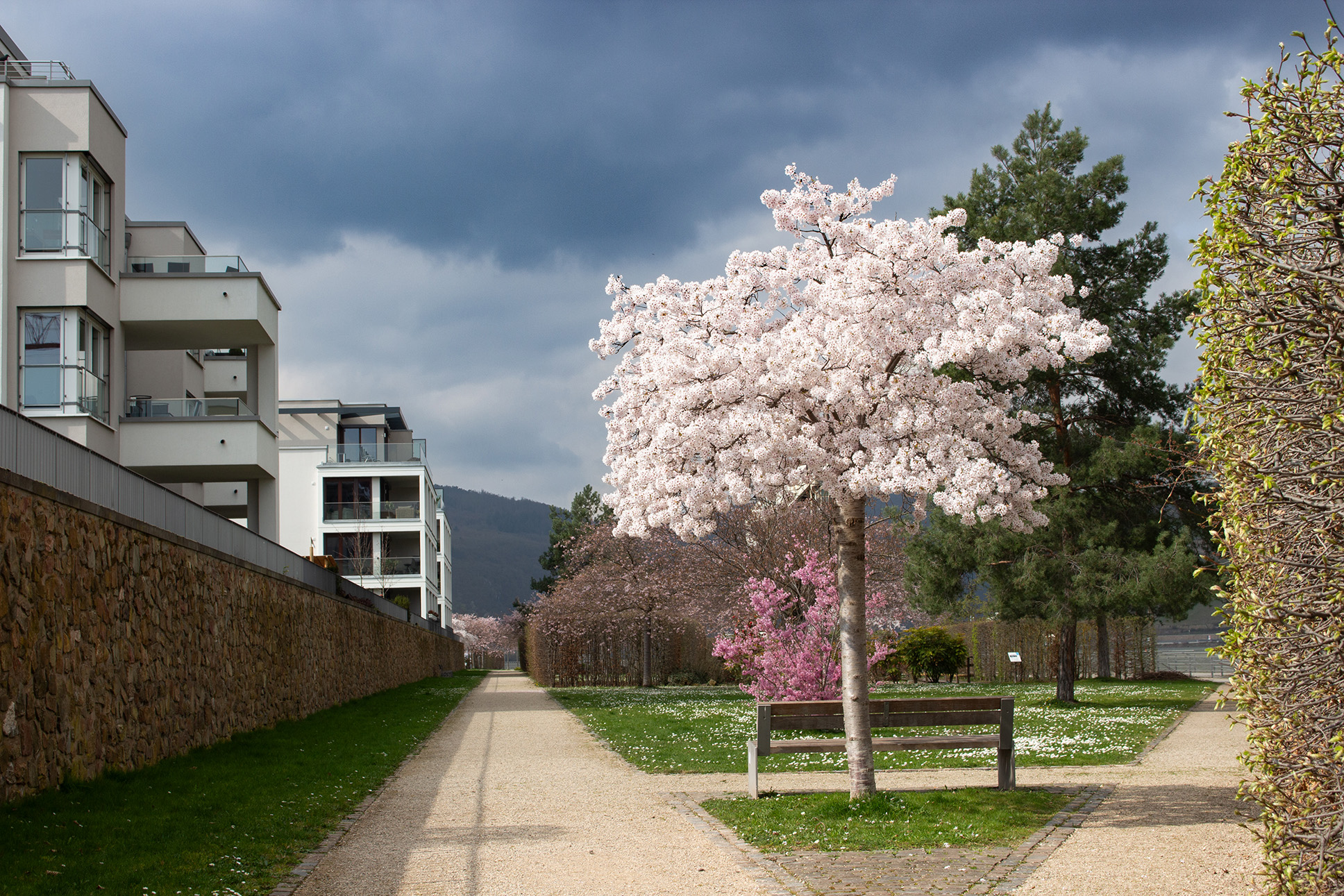
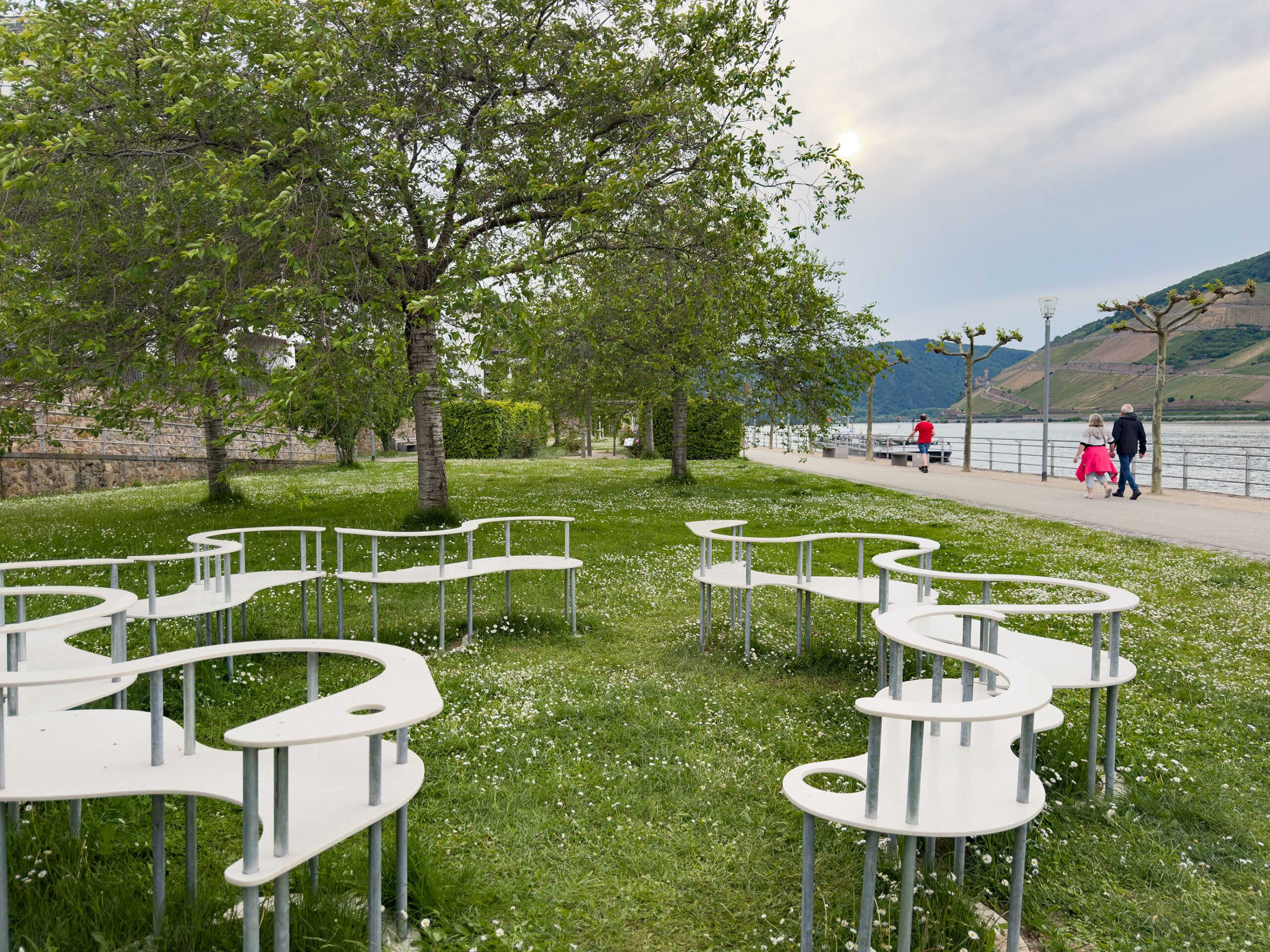
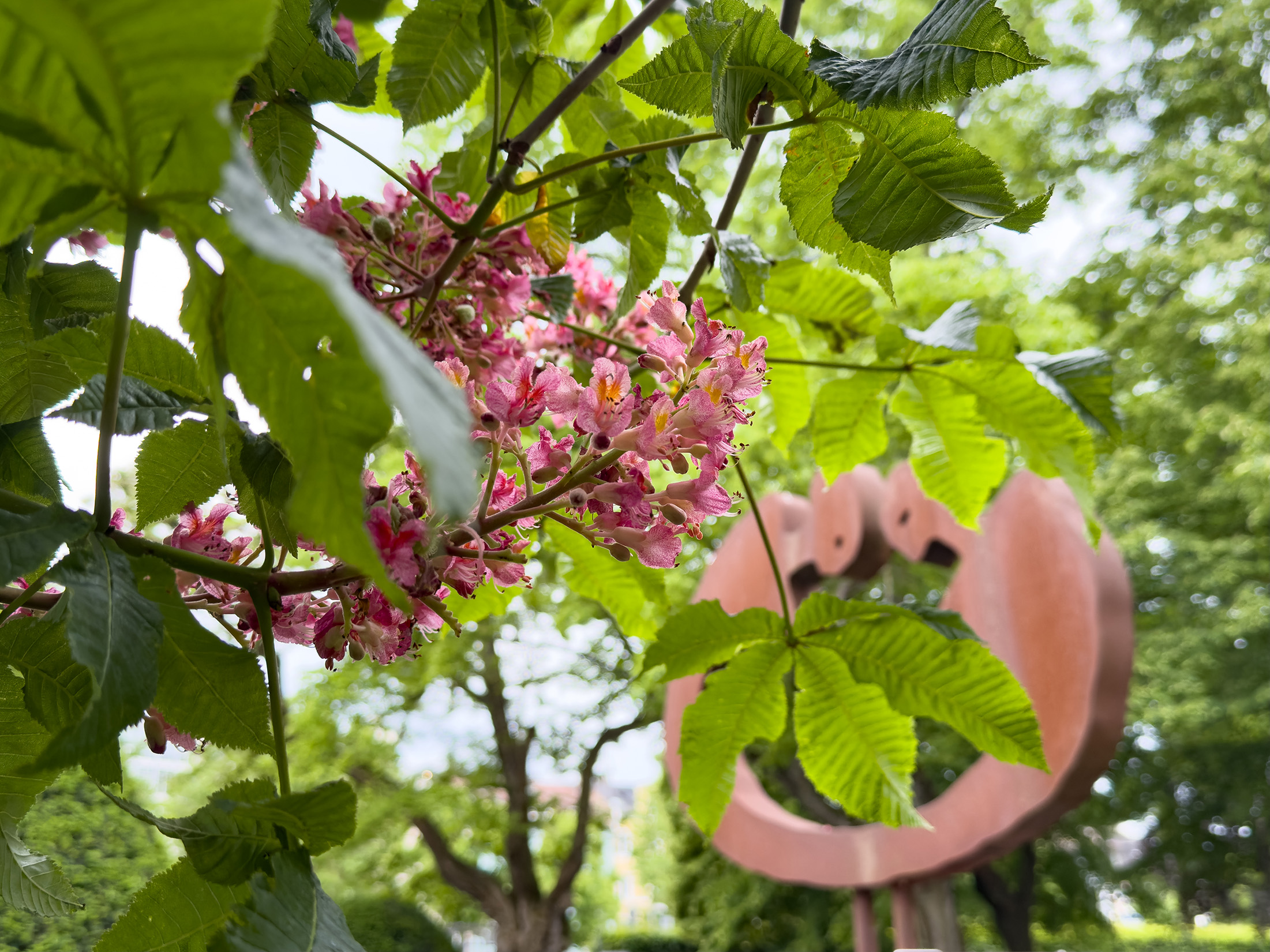
The southern Rhine promenade is particularly charming during the spring months: the explosion of blossoms in shades of pink and red enchants strollers and photographers alike, as well as the first insects feasting on the flowers’ nectar. The Japanese ornamental cherry grove right next door adorns the riverside promenade—which was redesigned as part of the 2008 State Garden Show—with its striking display of colors. It combines historical elements—such as the industrial crane—with modern features, like the sundial or the giant cherry, within the expansive gardens and the sister-city gardens along the Rhine.
While exploring the waterfront promenade, we discover the art installations of the Sculpture Triennial. The exhibition of contemporary sculpture takes place every three years and, against the impressive backdrop of the Middle Rhine Valley, provides a platform for both well-known emerging talents and experienced artists. This year’s theme is „Connection and Cohesion.“
A variety of restaurants, an old Rhine barge that has been converted into a play ship, cozy, quiet corners in the Poets„ Cabinet beneath shady chestnut trees, and, not to be forgotten, the “Hildegarten“right next to the Museum on the river, offer a place to relax and enjoy nature.
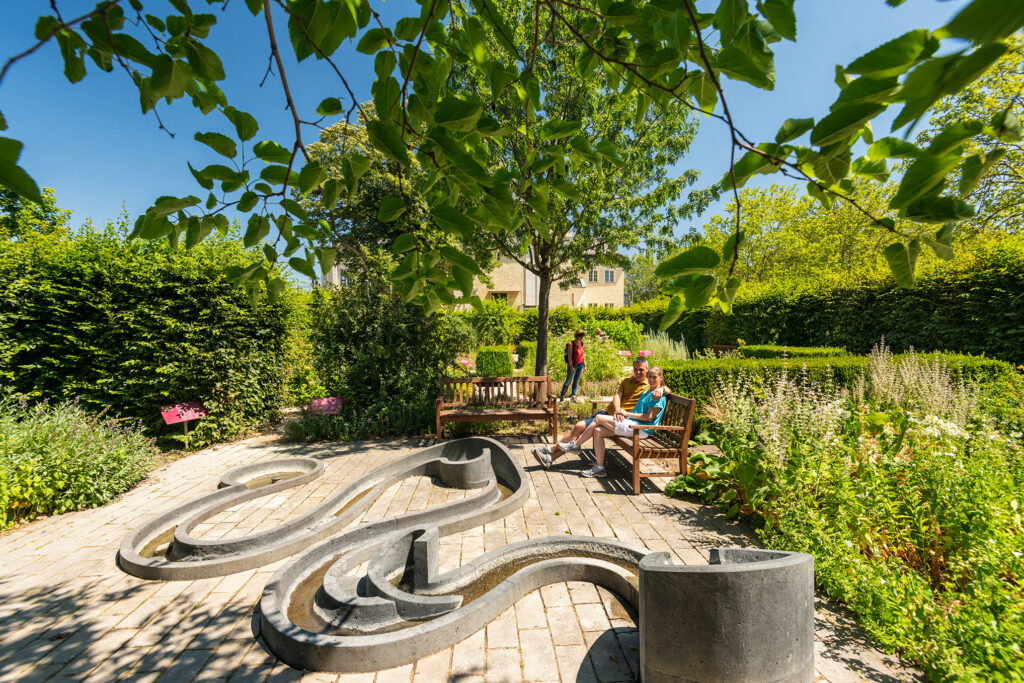
The classically designed „Hildegarten“ is dedicated to the most famous daughter of the city of Bingen. Here we find herbs, shrubs, and trees whose healing properties St. Hildegard of Bingen described in her work „Physika.“ As you listen to the gentle splashing of the spring fountain, taking a moment of inner reflection away from the stressful hustle and bustle of everyday life offers a welcome respite for all the senses.
If you'd like to explore the Middle Rhine Valley with its countless castles along the river, you can set sail from here on one of the passenger boats and see the riverbanks from a different perspective. Ahoy!
A „Journey Around the World of Plants“ Through the Botanical Garden at JGU Mainz
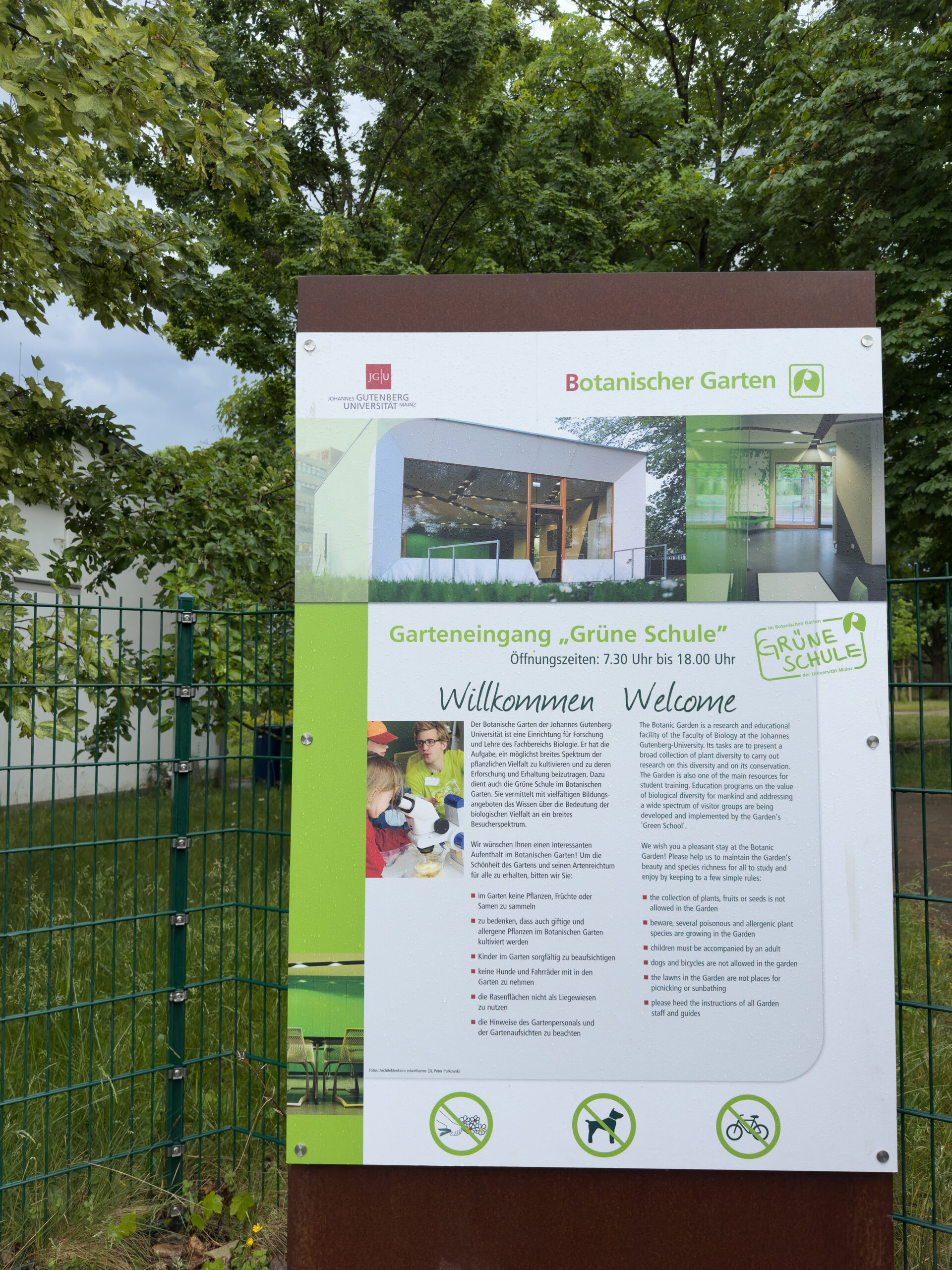
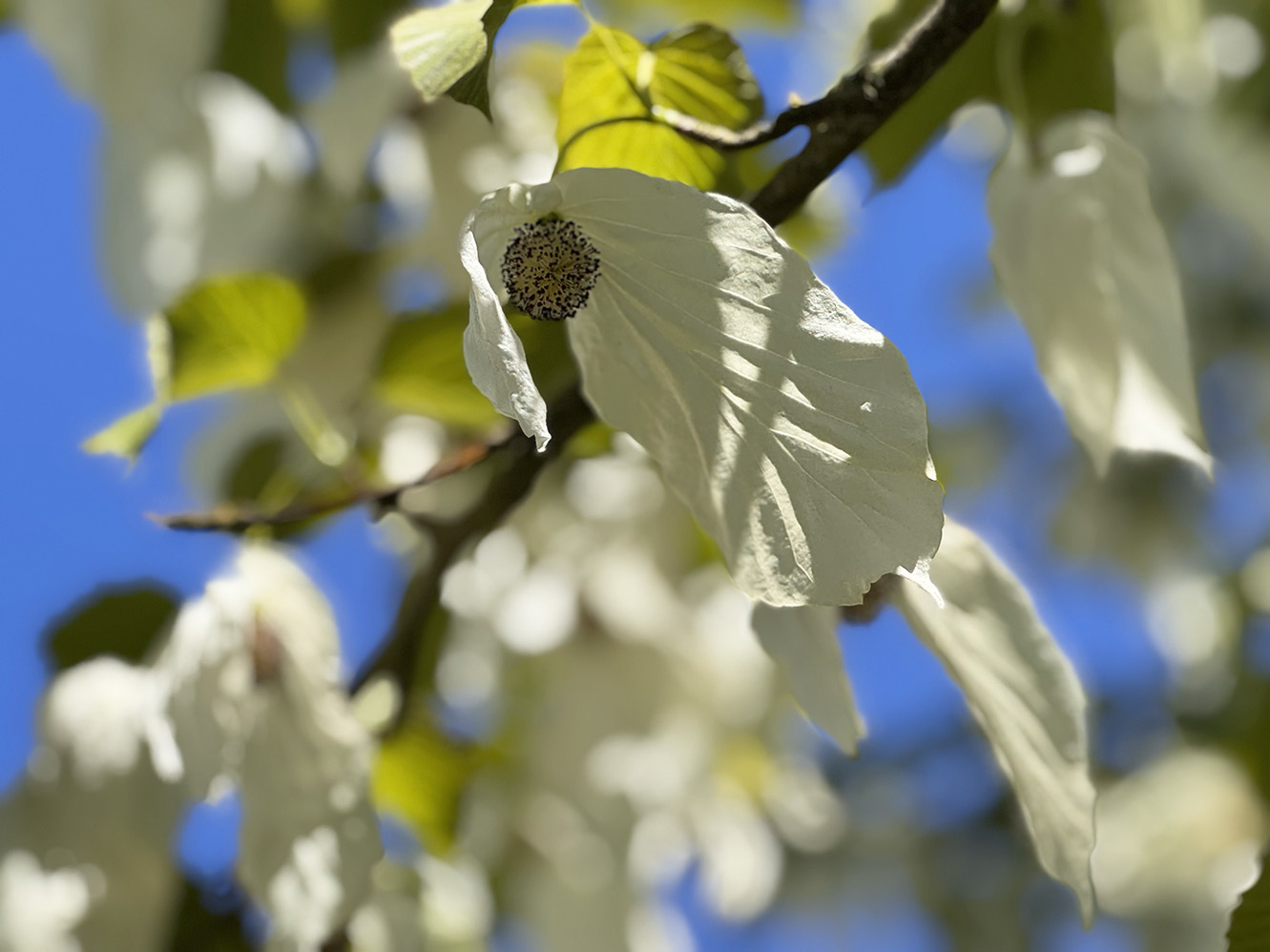
The Botanical Garden in Mainz opened its doors. The offerings of the „Green School“ includes a wide variety of Tours and Events on the grounds of the botanical garden, including the Sunday tours. I took part in one of these tours and was thrilled by the diversity of plants and the enthusiasm of the „Green Teacher.“ The program features topics such as „Handkerchief Tree“ (which forms the basis of the Botanical Garden’s logo), „Plant Identification Made Easy,“ „Wild Diversity in the Garden,“ „A Culinary Journey Through the Cruciferous Family,“ „Flowers and Their Pollinators,“ and many other exciting topics for plant enthusiasts.
Try it out, touch it, ask questions—here, we get right down to business.
Knowledge for Everyone!
The garden was established in 1946 and has been growing and evolving ever since. The latest highlight is the greenhouse, which is home to all kinds of succulents and cacti.
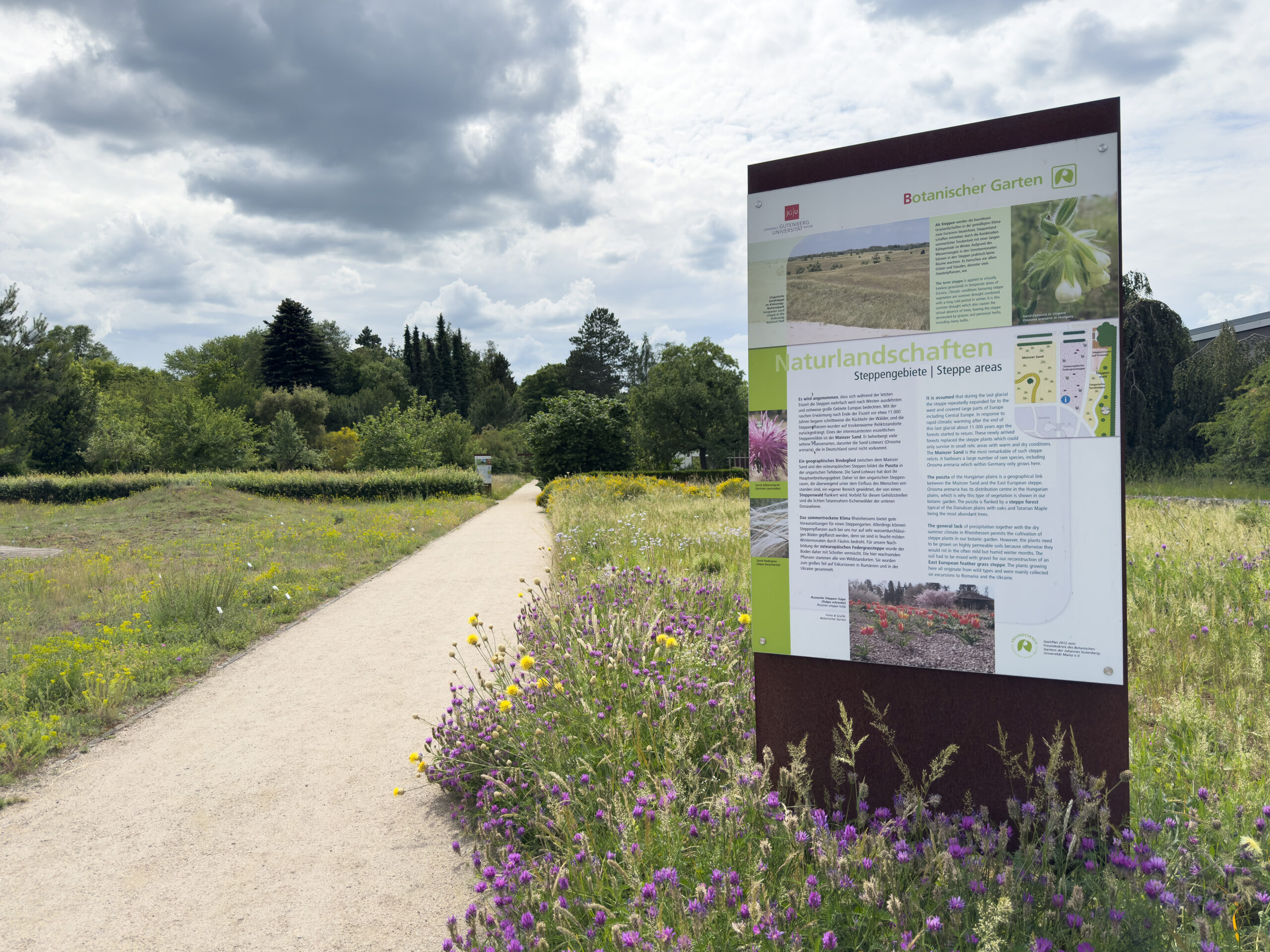
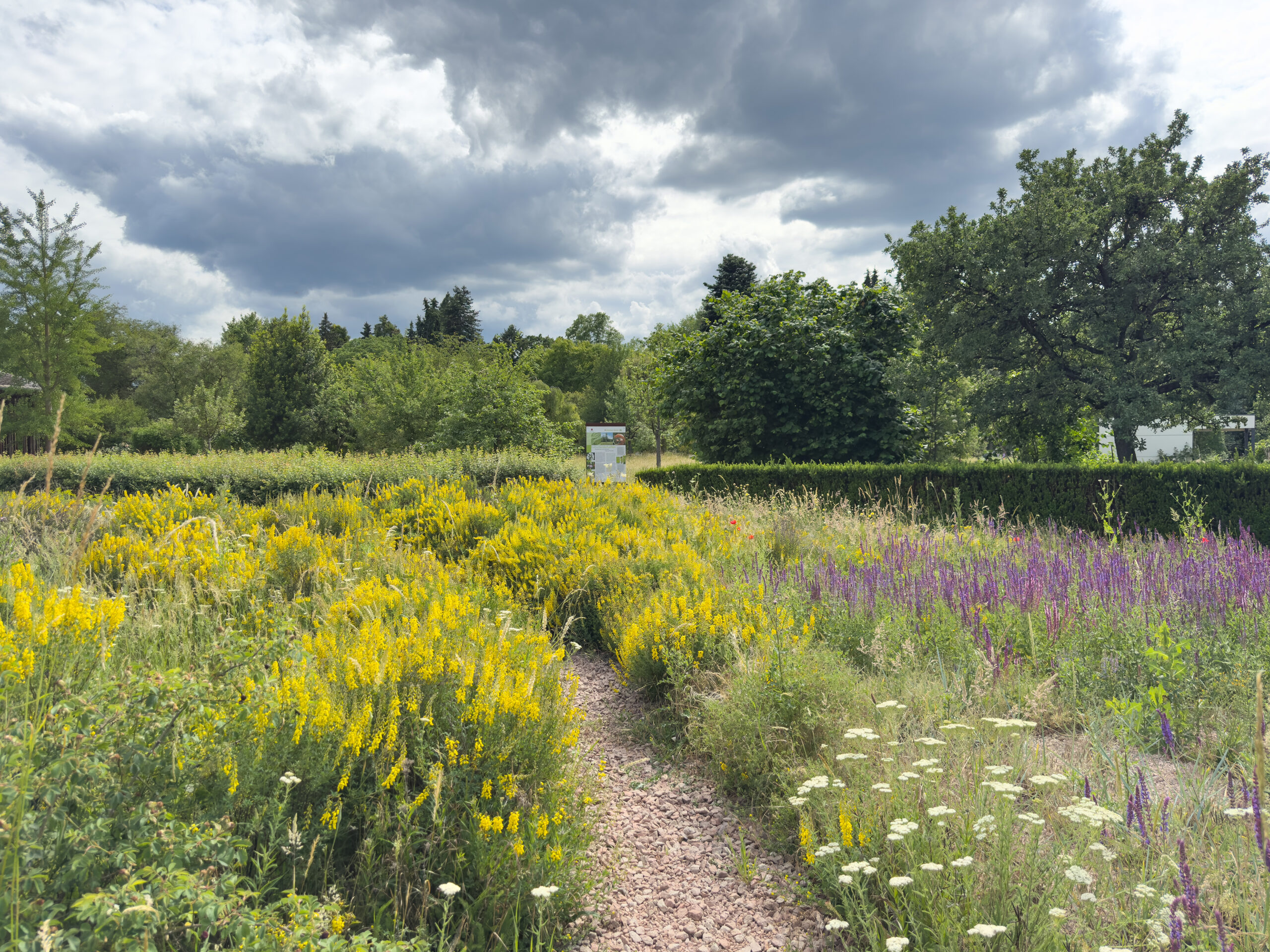
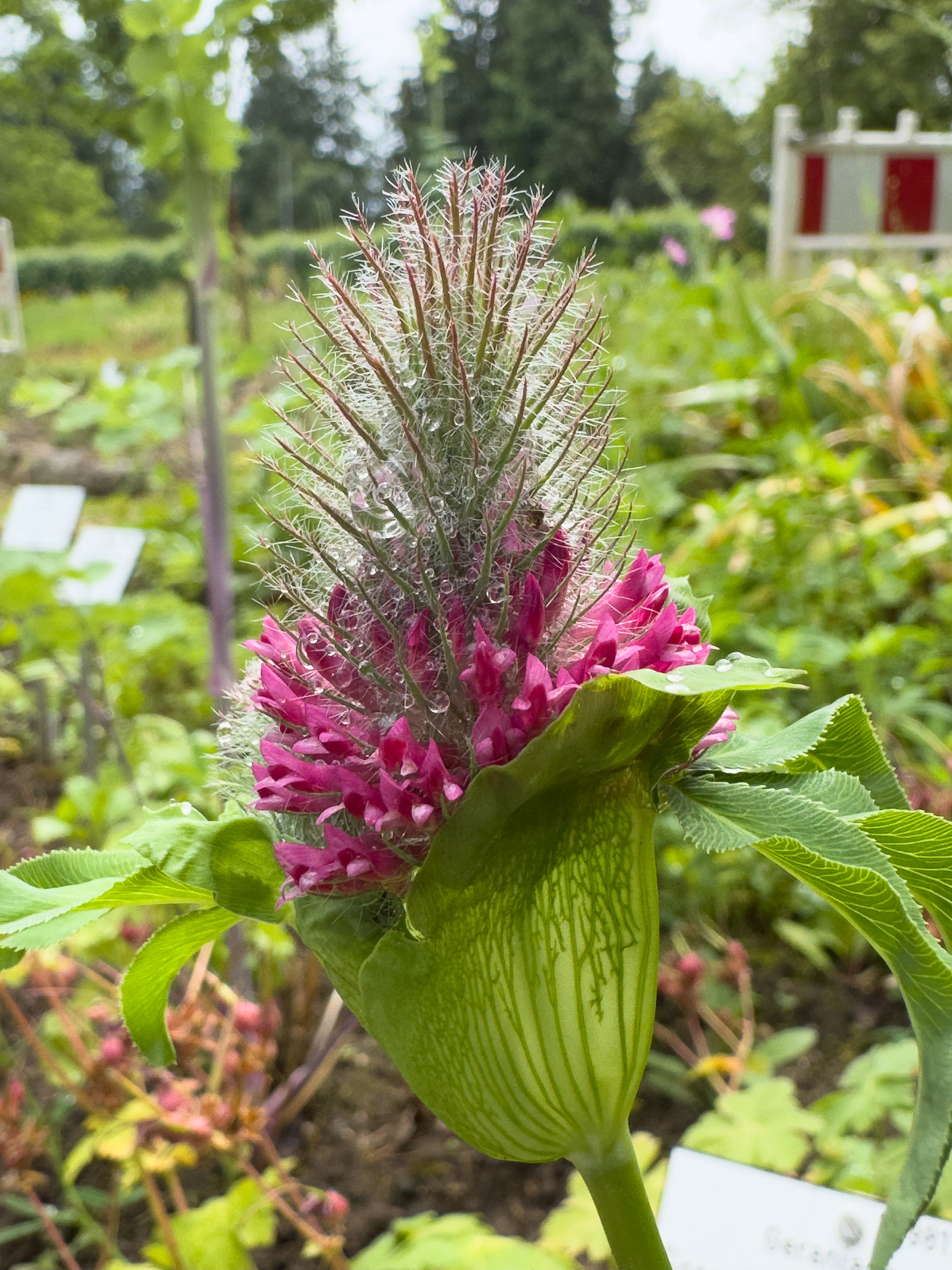
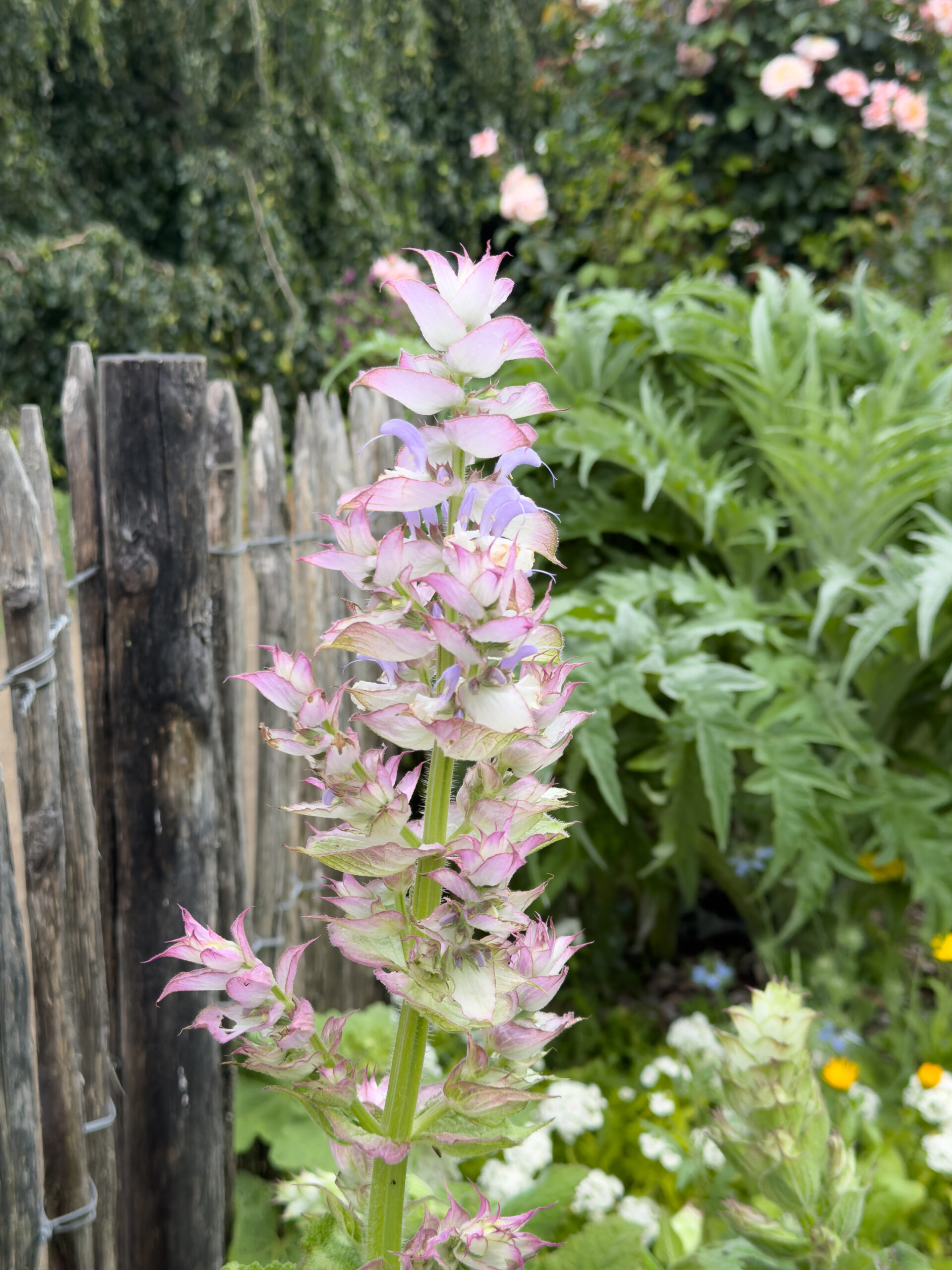
The garden's primary function: Plants are provided here for educational and research purposes. However, it is also open to the public free of charge Opening hours Open to visitors. In addition to the greenhouses, there is also a steppe exhibit, a replica of the „Mainzer Sand,“ and a system garden with over 3,500 beds.
Every season has its own charm in nature, and the same is true of the Botanical Garden in Mainz.
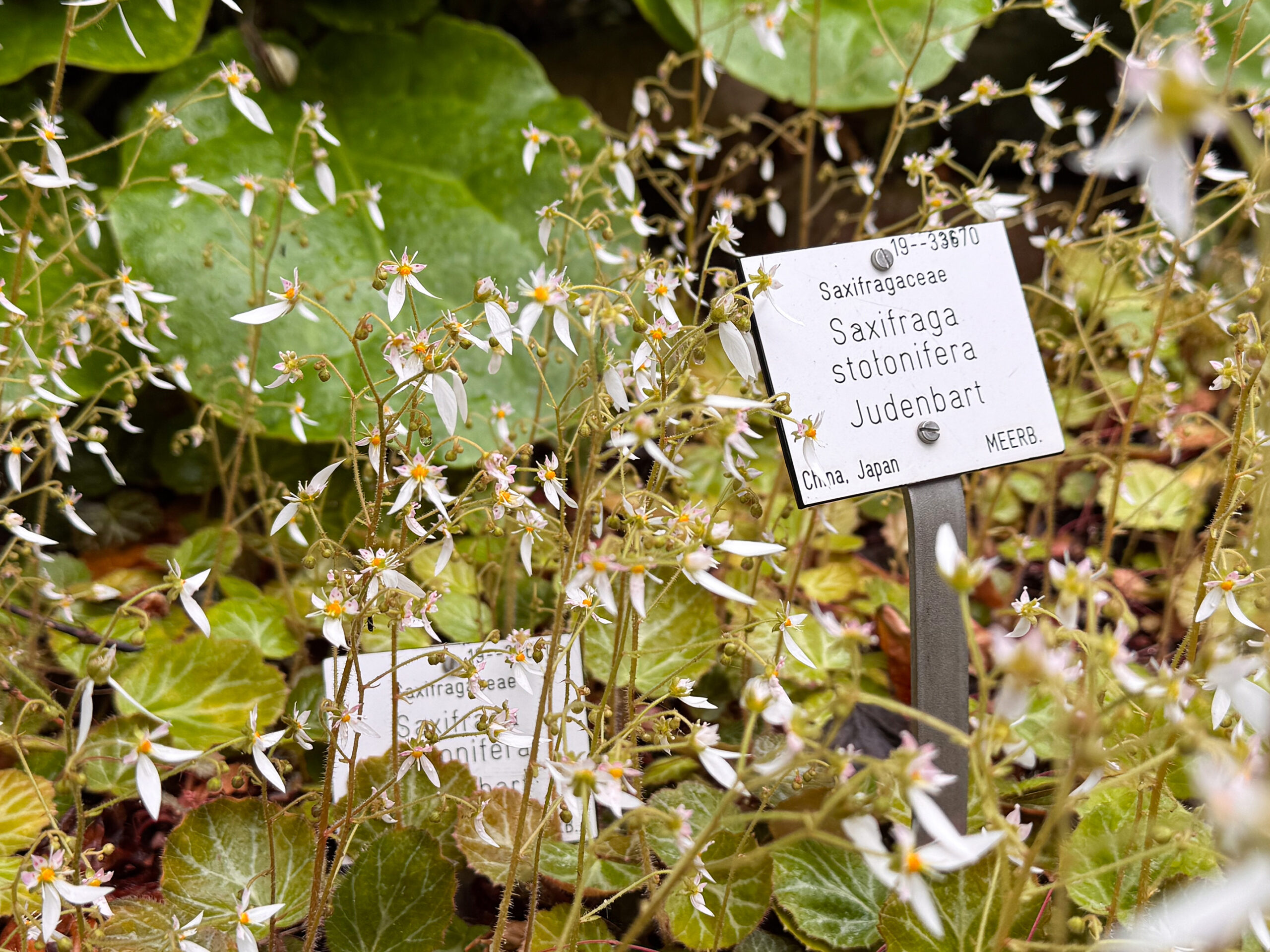
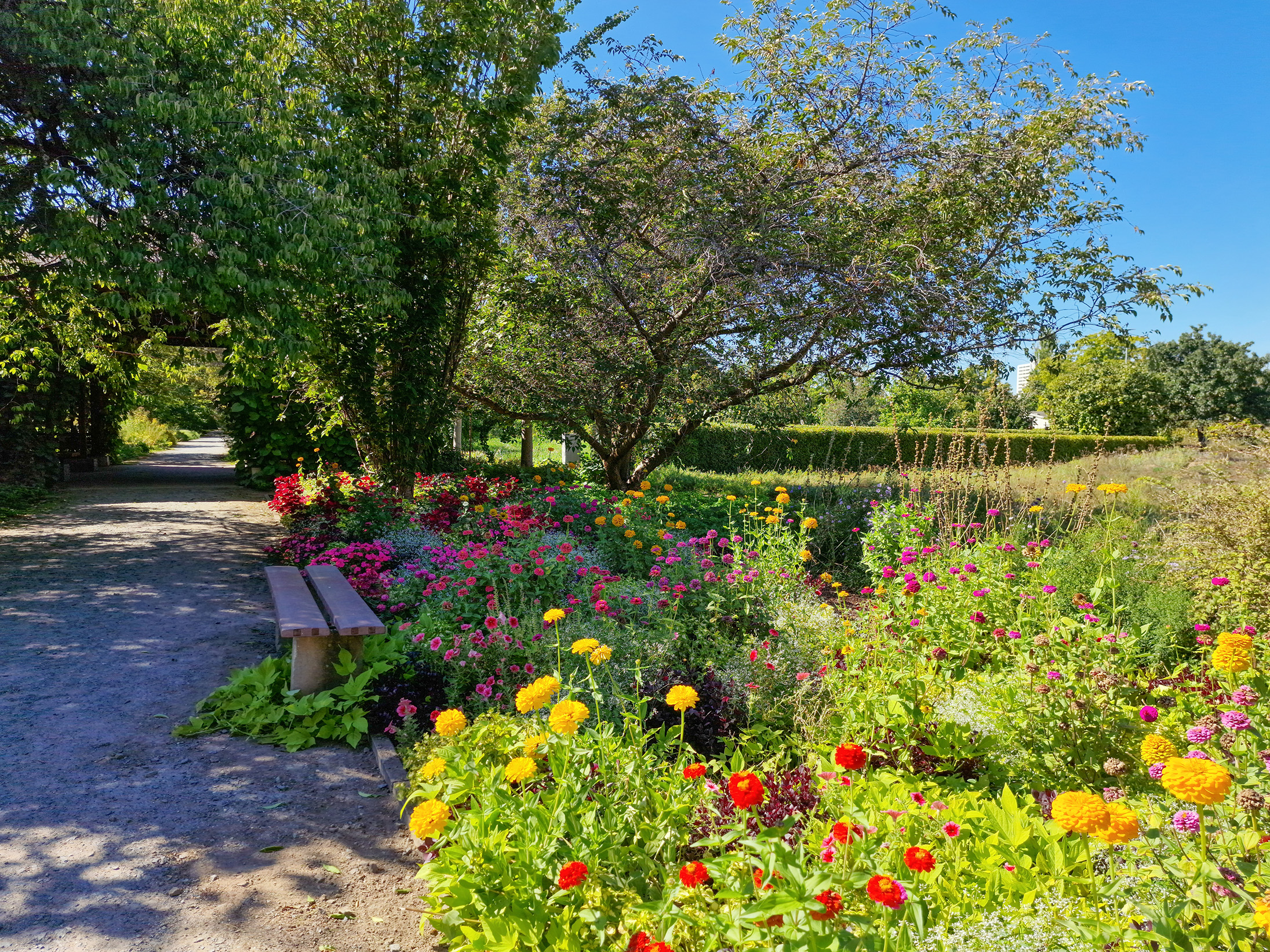
Whether it’s a walk among the giant trees—conifers and ginkgoes—through the steppe area, or through the vegetable garden, we encounter a vast variety of plants here. The signs provide information about their German and Latin names, as well as their origins.
Oases of tranquility and cozy spots invite you to linger
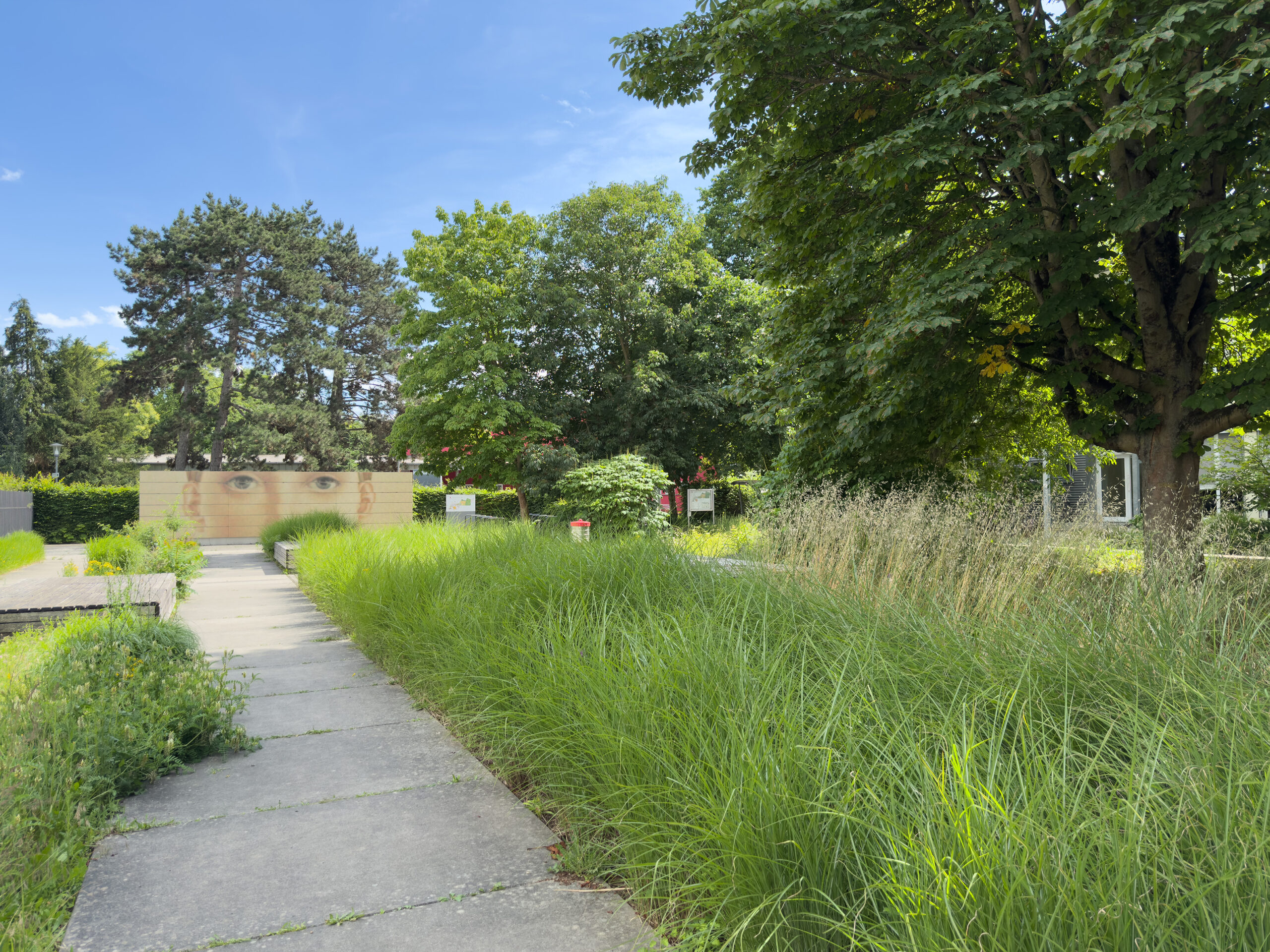
The sculpture of a lovely lady is waiting for me to join her so I can take in all the colorful and fragrant sights and smells. There’s still a spot open on her little bench…
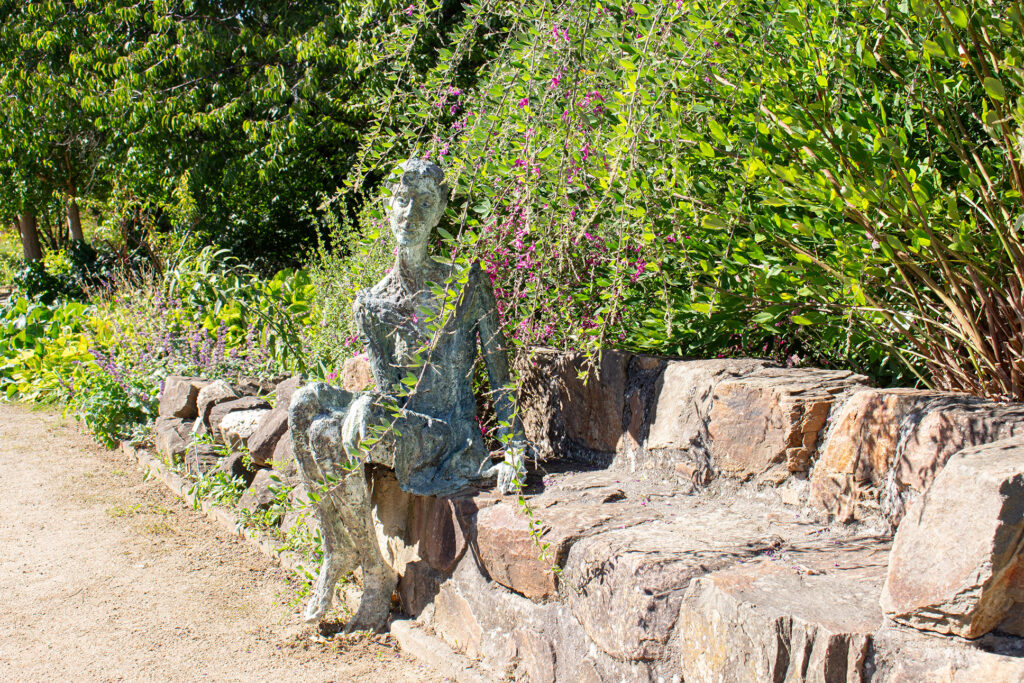
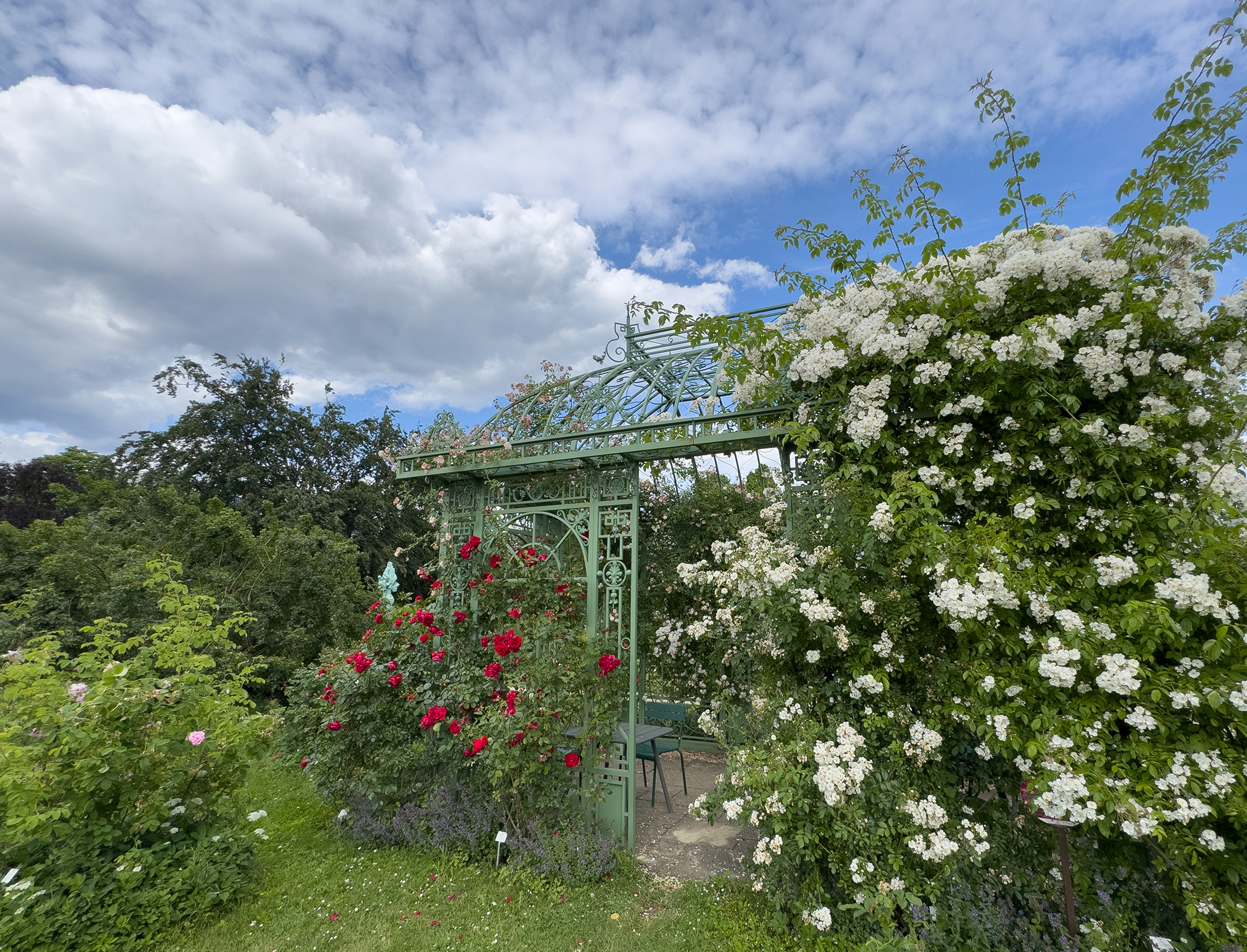
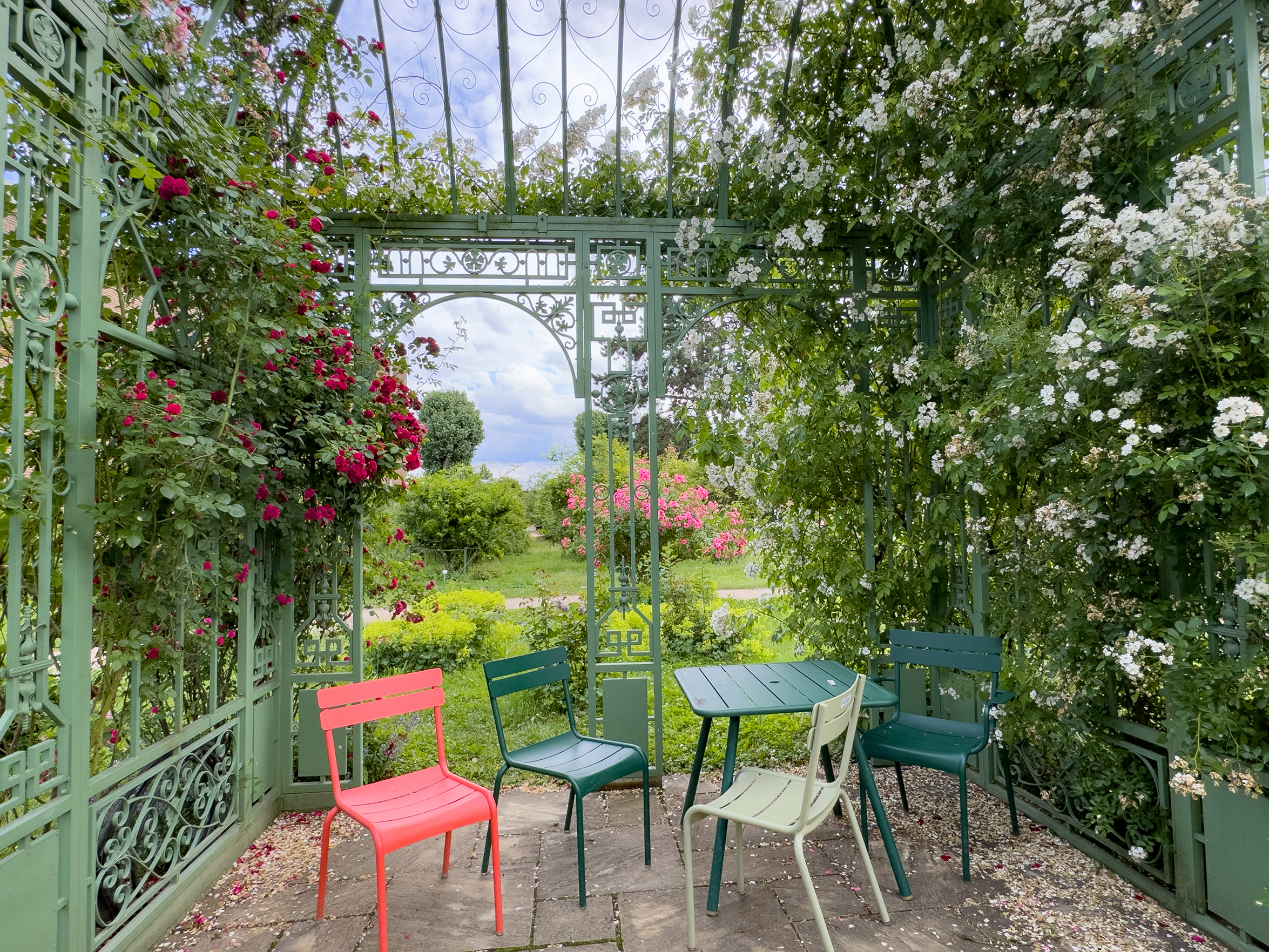
But the Rose Pavilion and the many places to sit—whether in the sun or under the shade of old trees—are also great spots to take a break. You can also spread out a picnic blanket on the lawns. As long as you don’t pick or damage any flowers, that’s allowed.
If you'd like to do more than just take photos and enjoy the scenery—and want to delve deeper into plant identification—you can explore the entire plant collection of the Botanical Garden in Mainz on the website using the „Garden Explorer“ explore
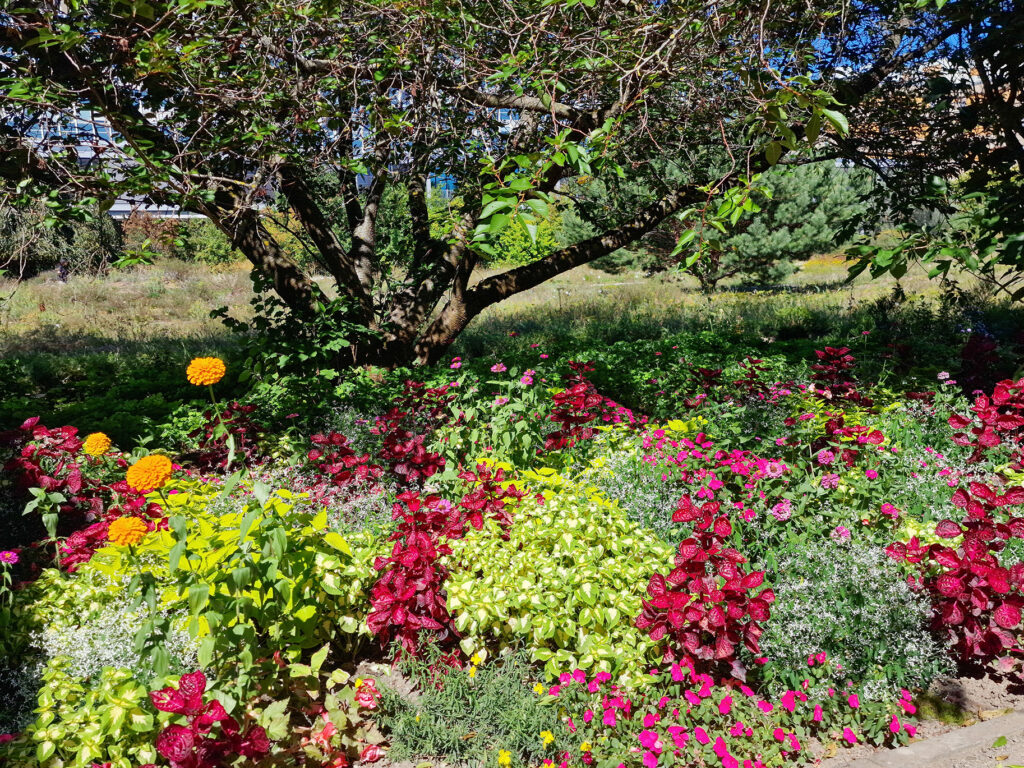
I’ll quote—and I couldn’t have put it better myself—the statement on the website: „As a garden, it is also a place of musing, inspiration, and relaxation on the campus of Johannes Gutenberg University. A place where the beauty of nature can be experienced and where knowledge about the cultural history of plants is preserved and shared. At the same time, thanks to its horticultural and scientific expertise, the Botanical Garden is an indispensable partner in the conservation of endangered wild plants and cultivated varieties. Thus, the Botanical Garden’s social significance extends beyond the university’s core missions.“
A walk, a break—this green and colorful oasis is definitely worth a visit!
A hidden place of power in every shade of color—the City Hall Garden in Dexheim
For visitors to the „Open Gardens in Rheinhessen“It hasn't been a hidden gem for a long time, but have you ever been there?” in the old school garden in Dexheim?
After lying dormant for a long time, a group of volunteers in Dexheim has breathed new life into the old school garden, which lies in the shadow of what is now the town hall. Above all, this is the labor of love of Tina Kühne, who, with great dedication, has transformed the overgrown area into a gem in this small wine-growing village in Rheinhessen.
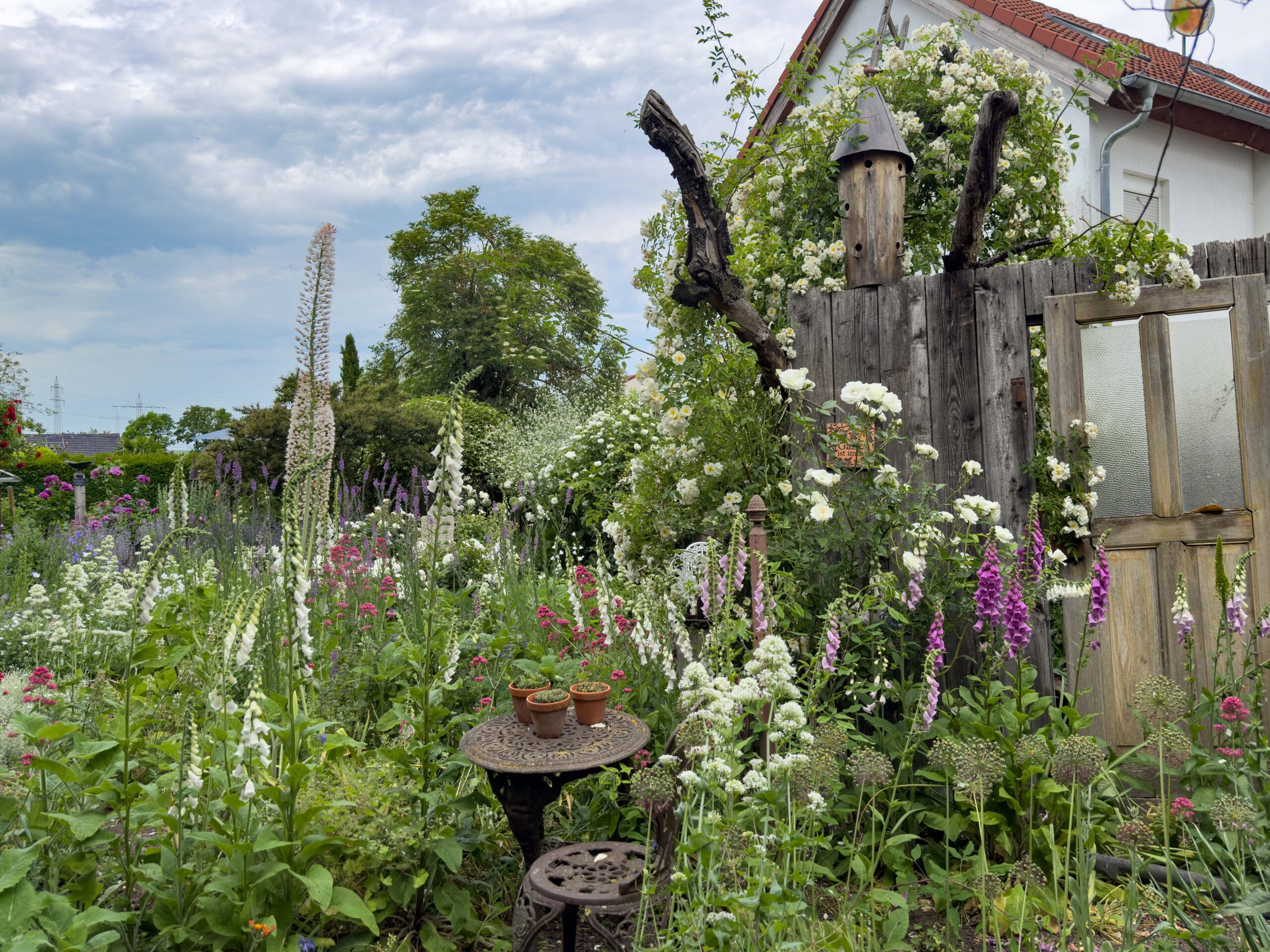
Romantic cottage garden with cozy nooks
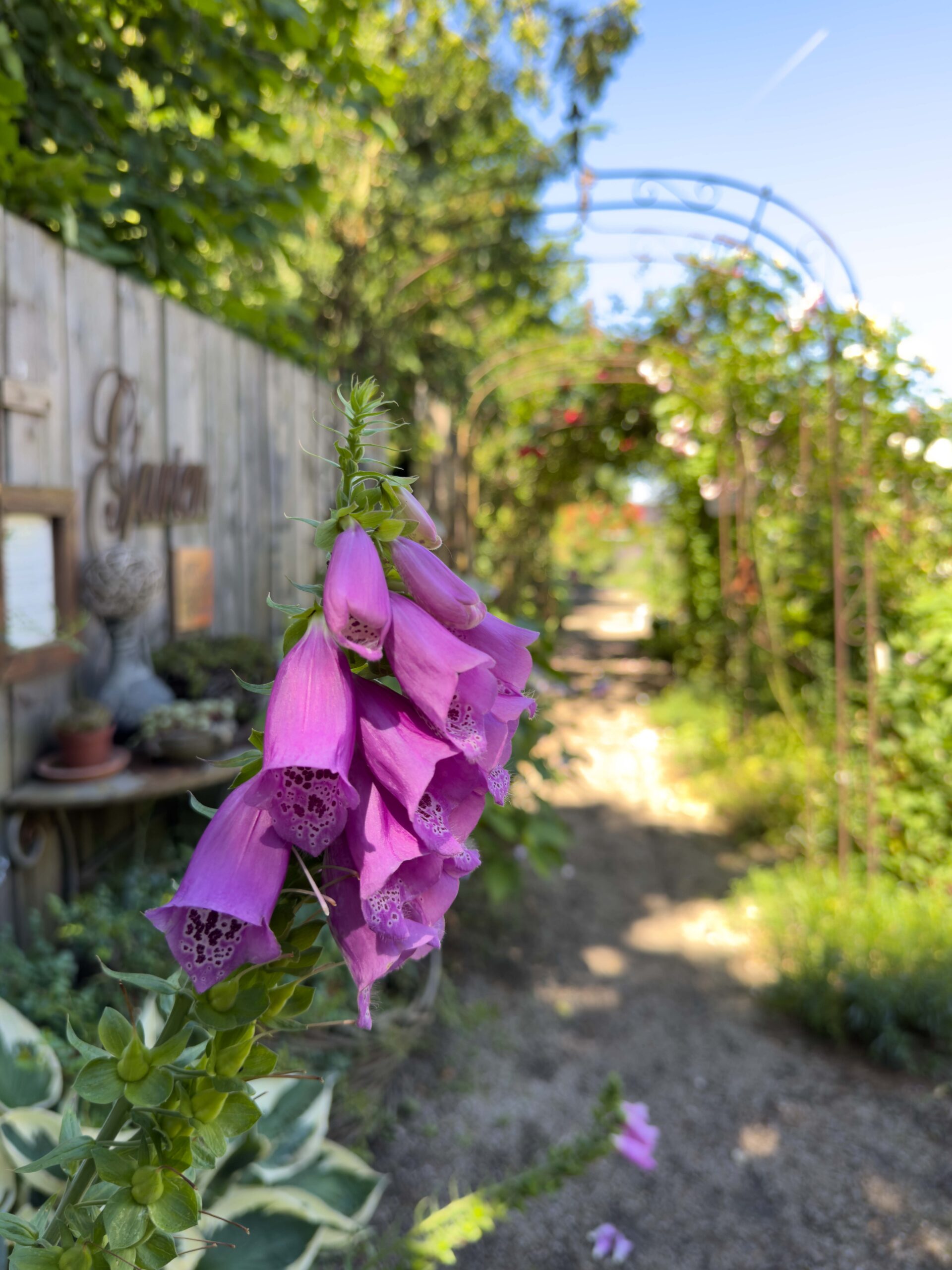
A narrow path through rose arches leads to a cozy seating area, and then the lovingly landscaped town hall garden—covering an area of approximately 1,000 m²—opens up before you. It is open to visitors daily from 9 a.m. to 6 p.m.
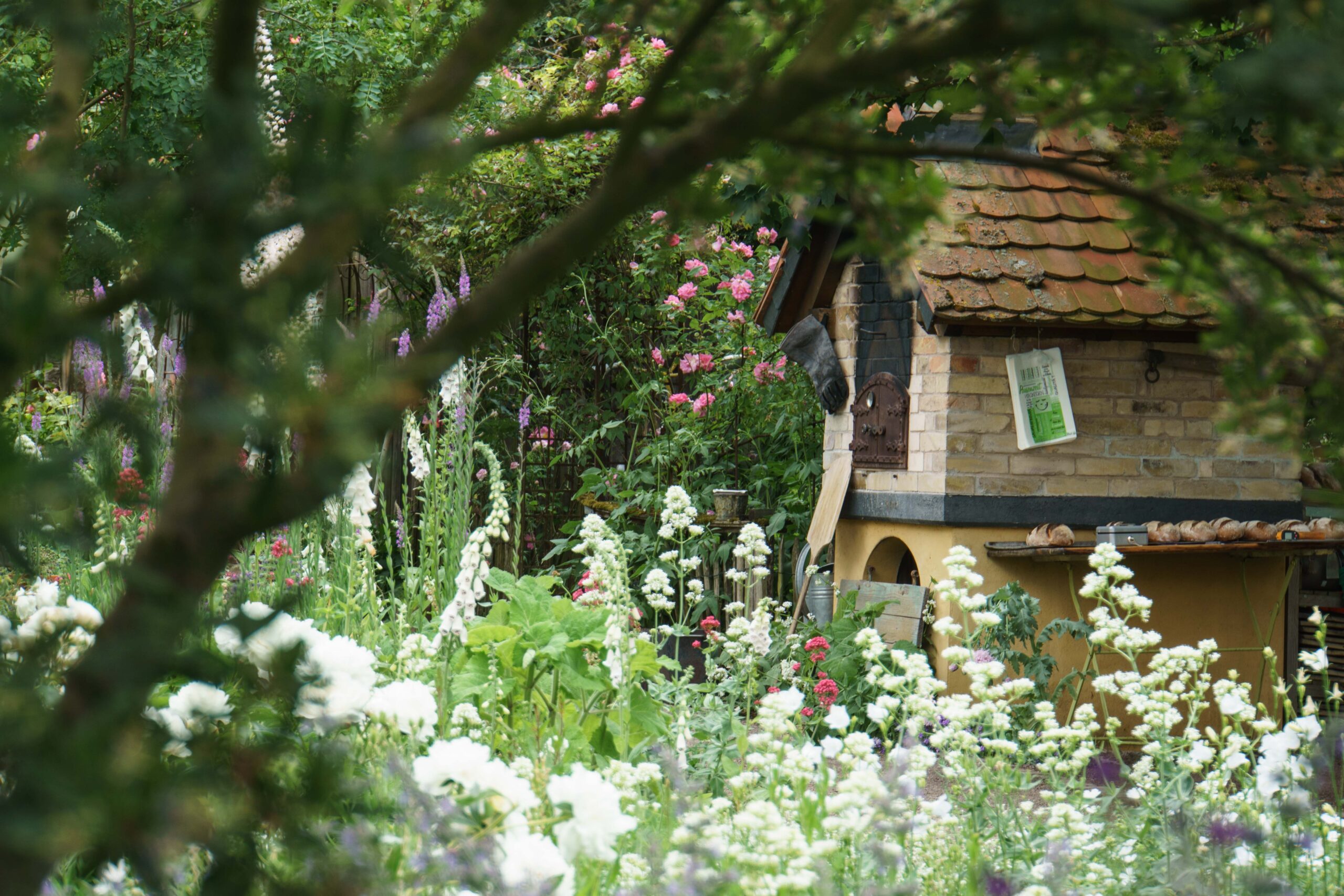
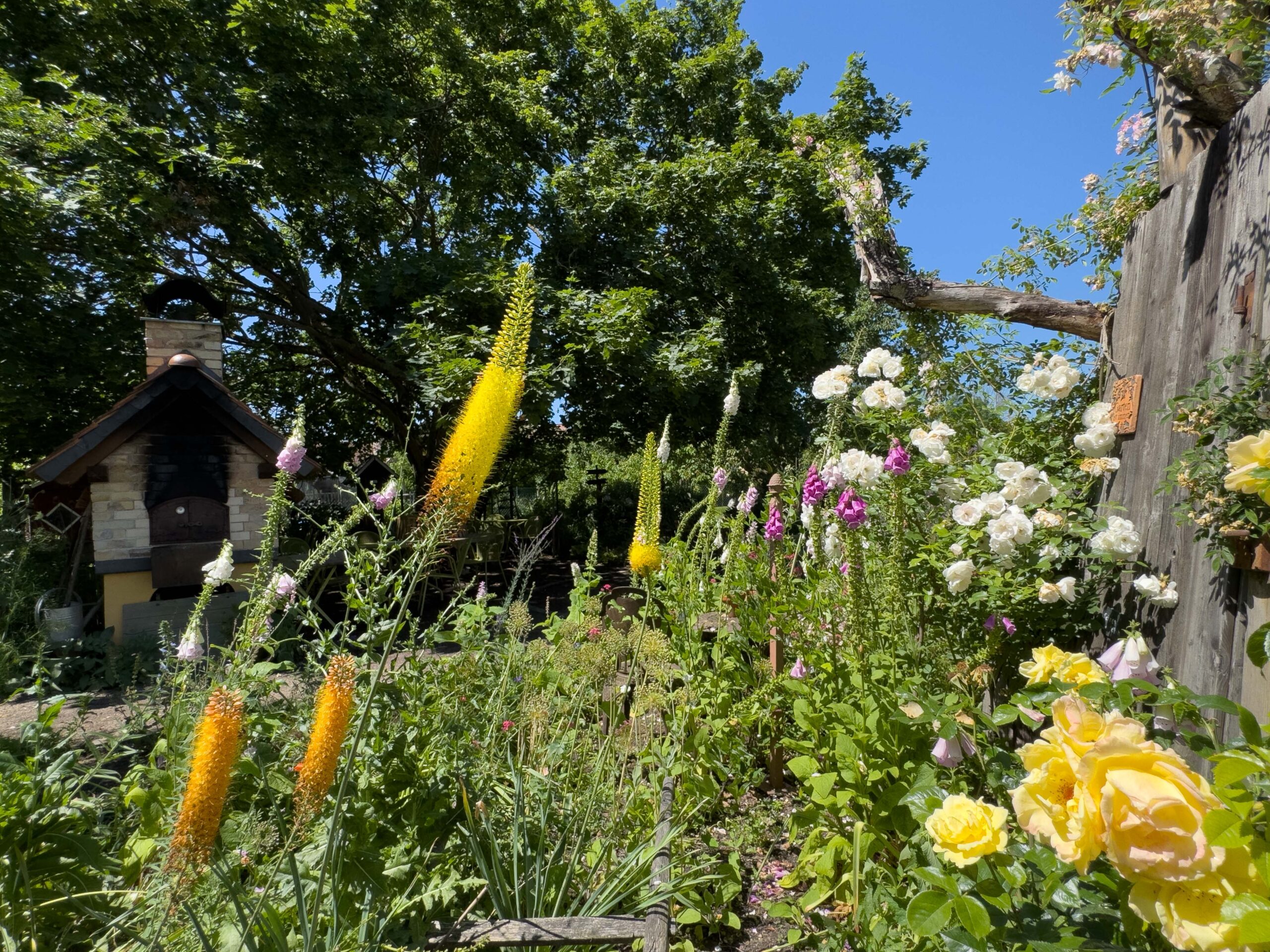
A wood-fired bread oven was built under the shade of a maple tree. On special occasions, such as Open Garden Day or village festivals, the oven is fired up in a big way. Insiders already know that they can pre-order delicious rye bread here. But of course, enough is prepared so that even those who get hungry on the spur of the moment can buy a fresh loaf of bread.
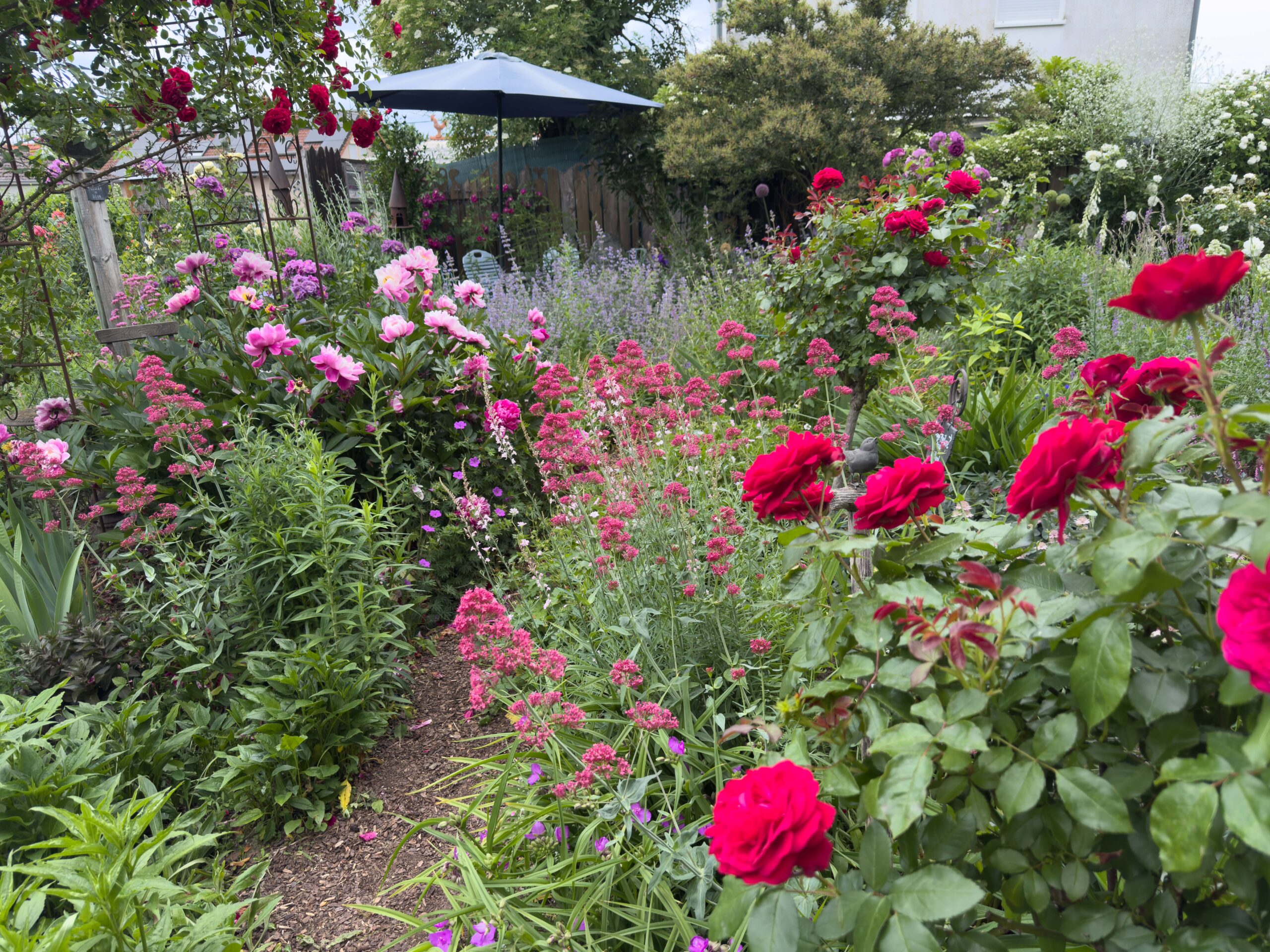
If you like things natural, rustic, and maybe even a little wild, this is the perfect place for you: cozy nooks under rose bushes, decorations made from found objects that have found a new home here—exactly my taste!
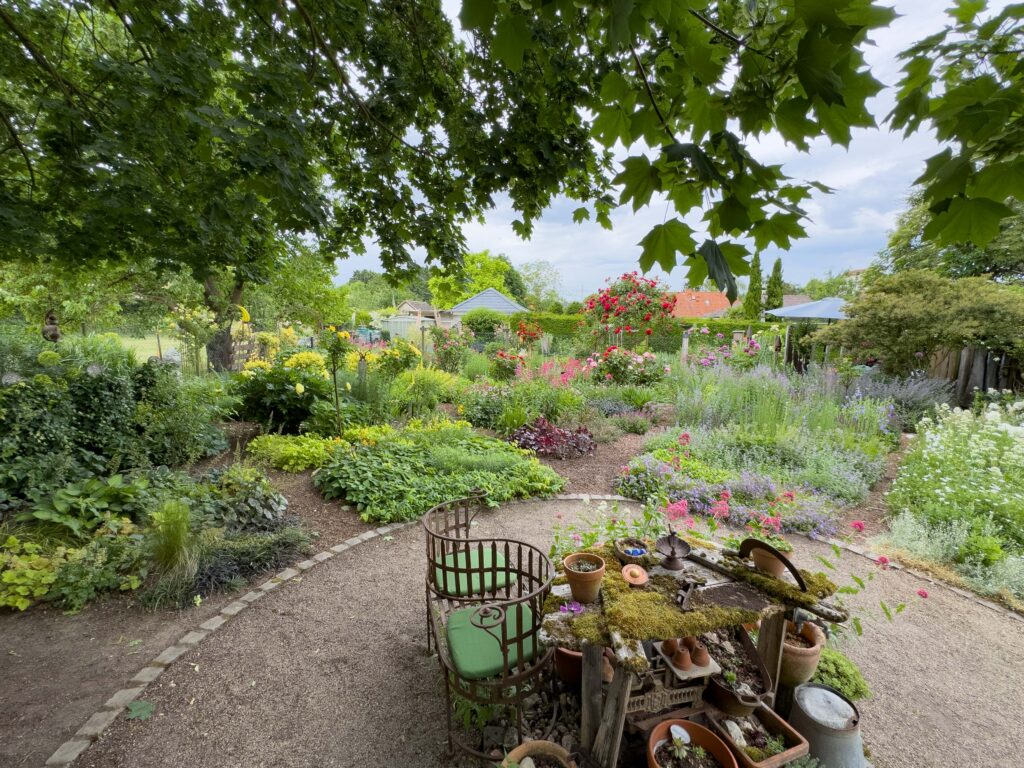
Garden Planning in a Fan Shape
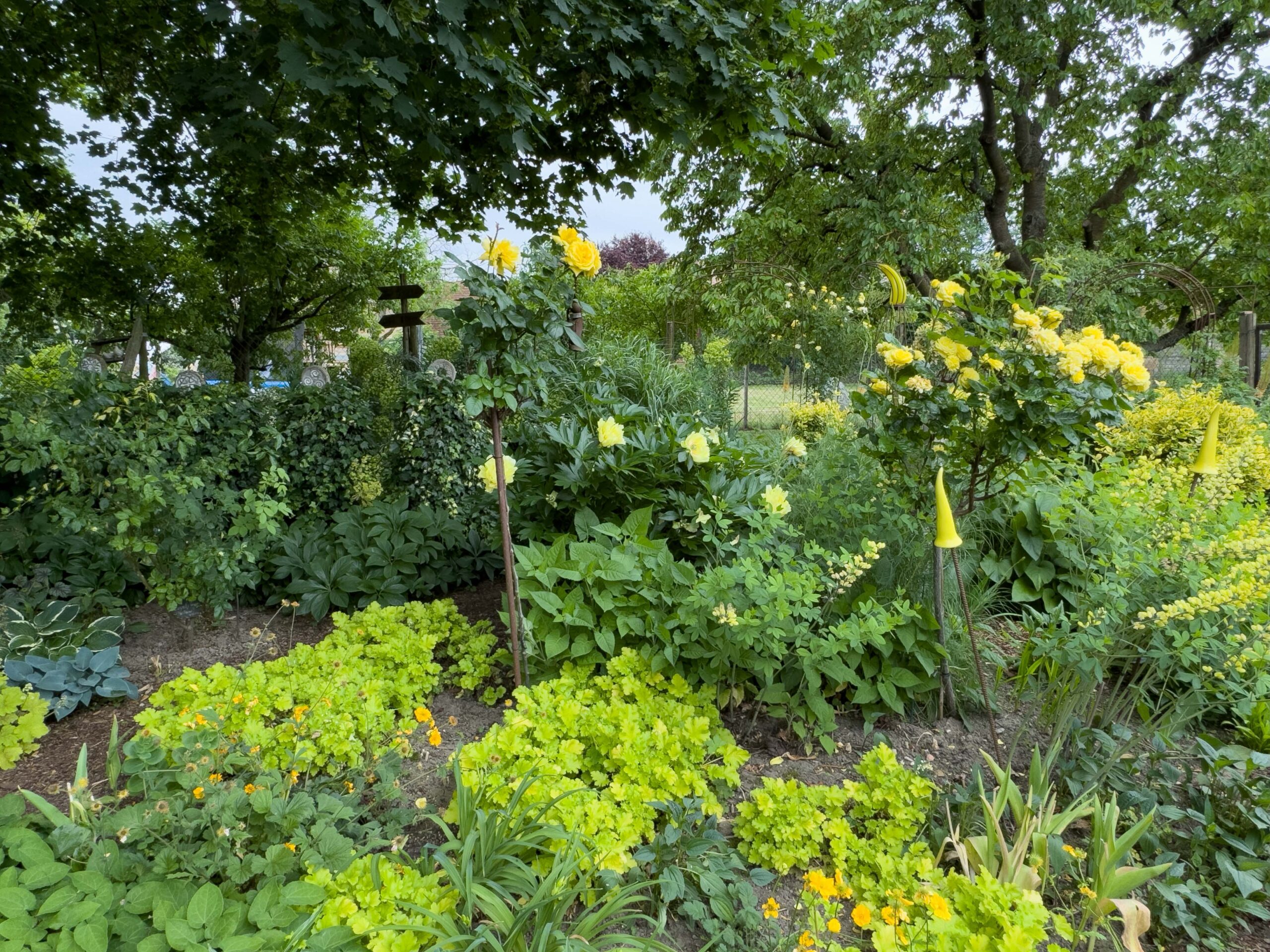
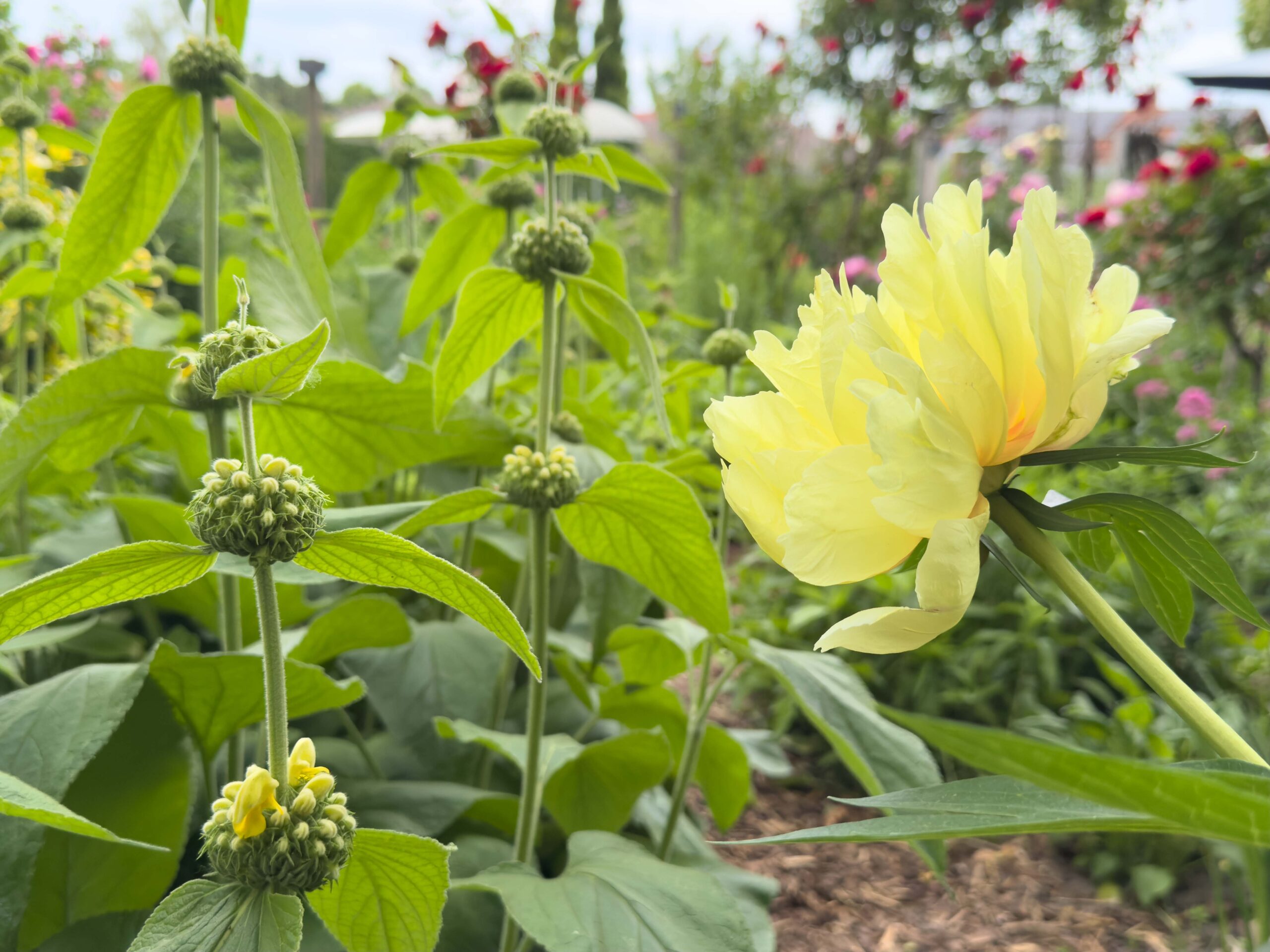
When planning the garden, Tina Kühne had a unique idea: to design a fan-shaped garden. A color fan from color theory, just like the ones we know from art class. In the back section of the garden, you’ll find both familiar and very rare perennials, all beautifully arranged by color.
Yellow …
A colorful oasis in the heart of Dexheim—shade and sunshine, dreams, watching butterflies… a place of healing!
Maybe we'll meet up here sometime?
The Chapel Garden in Oppenheim
The Hidden Gem in the Shadow of the Gothic Giant
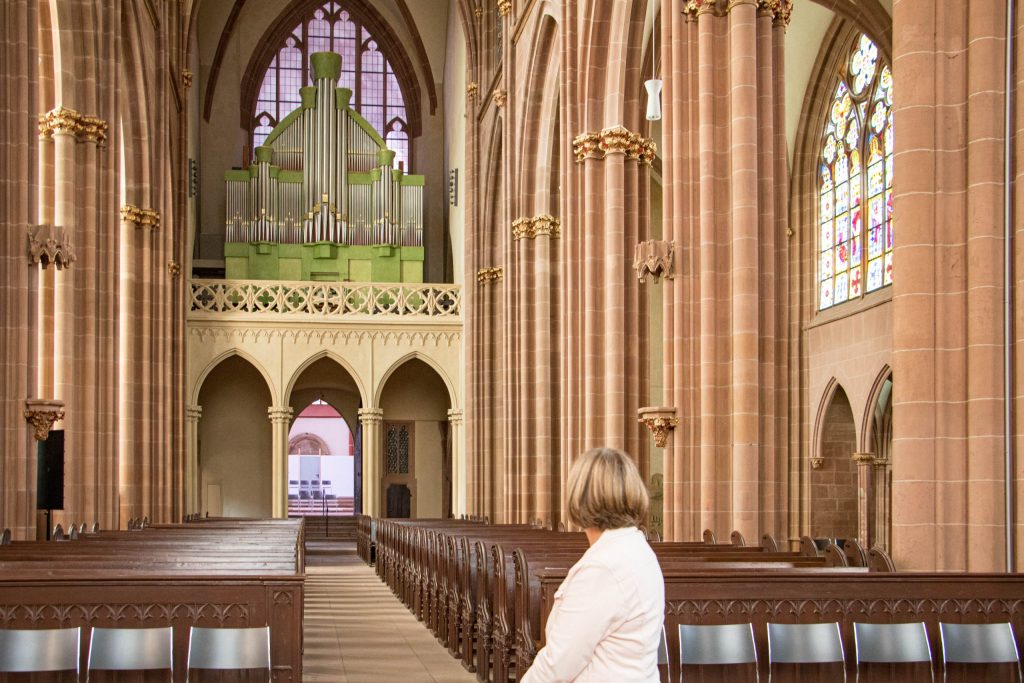
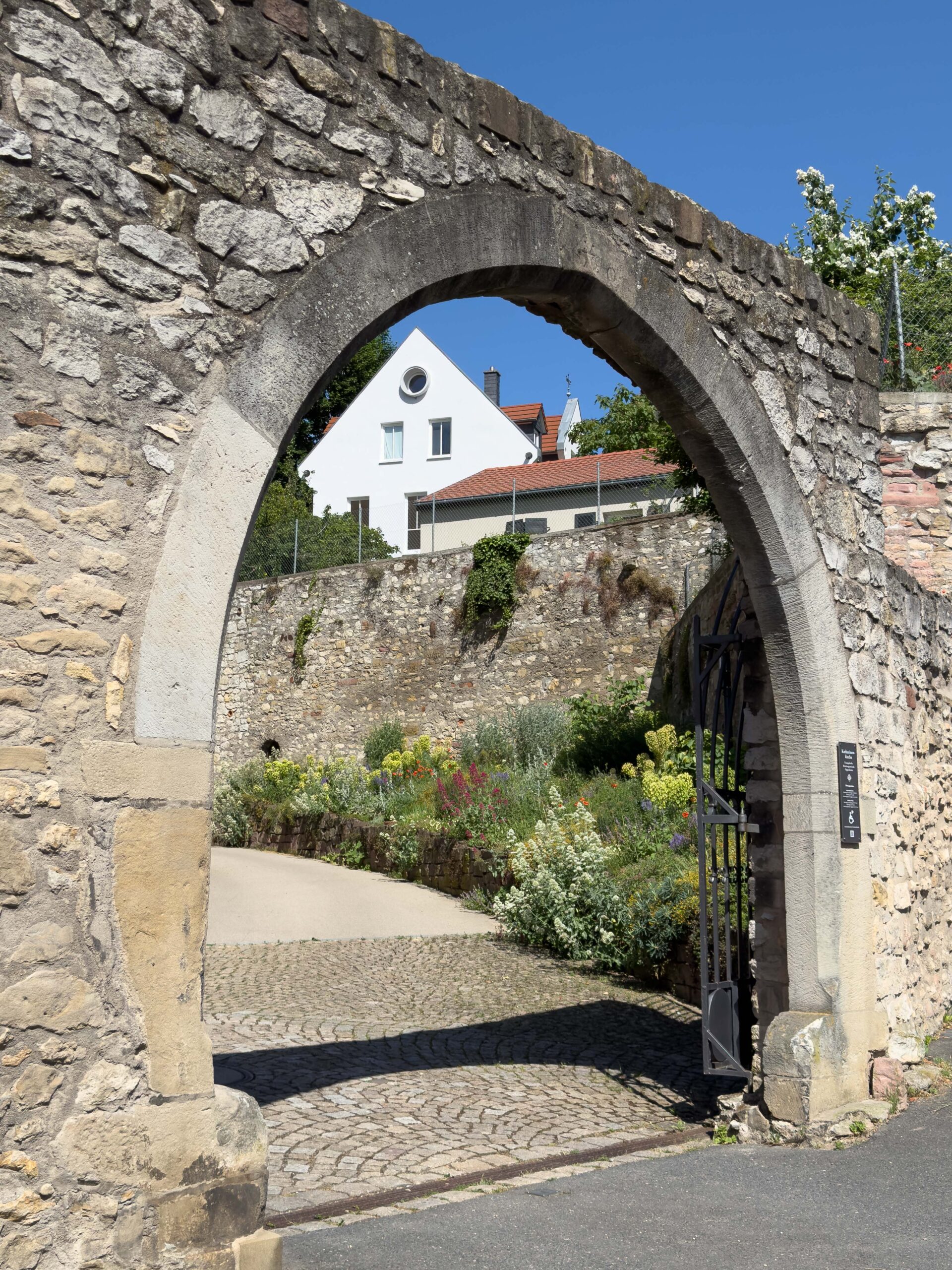
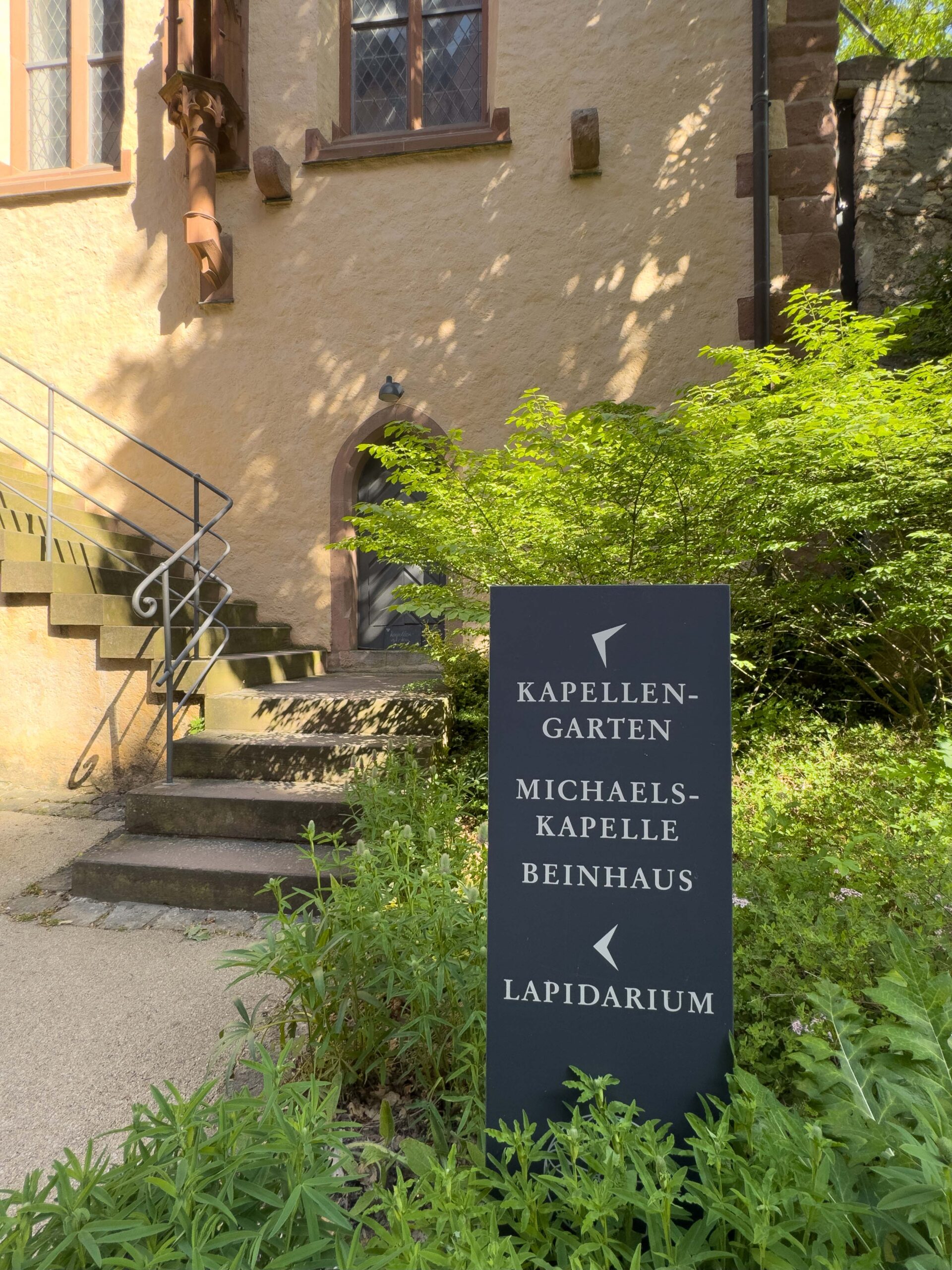
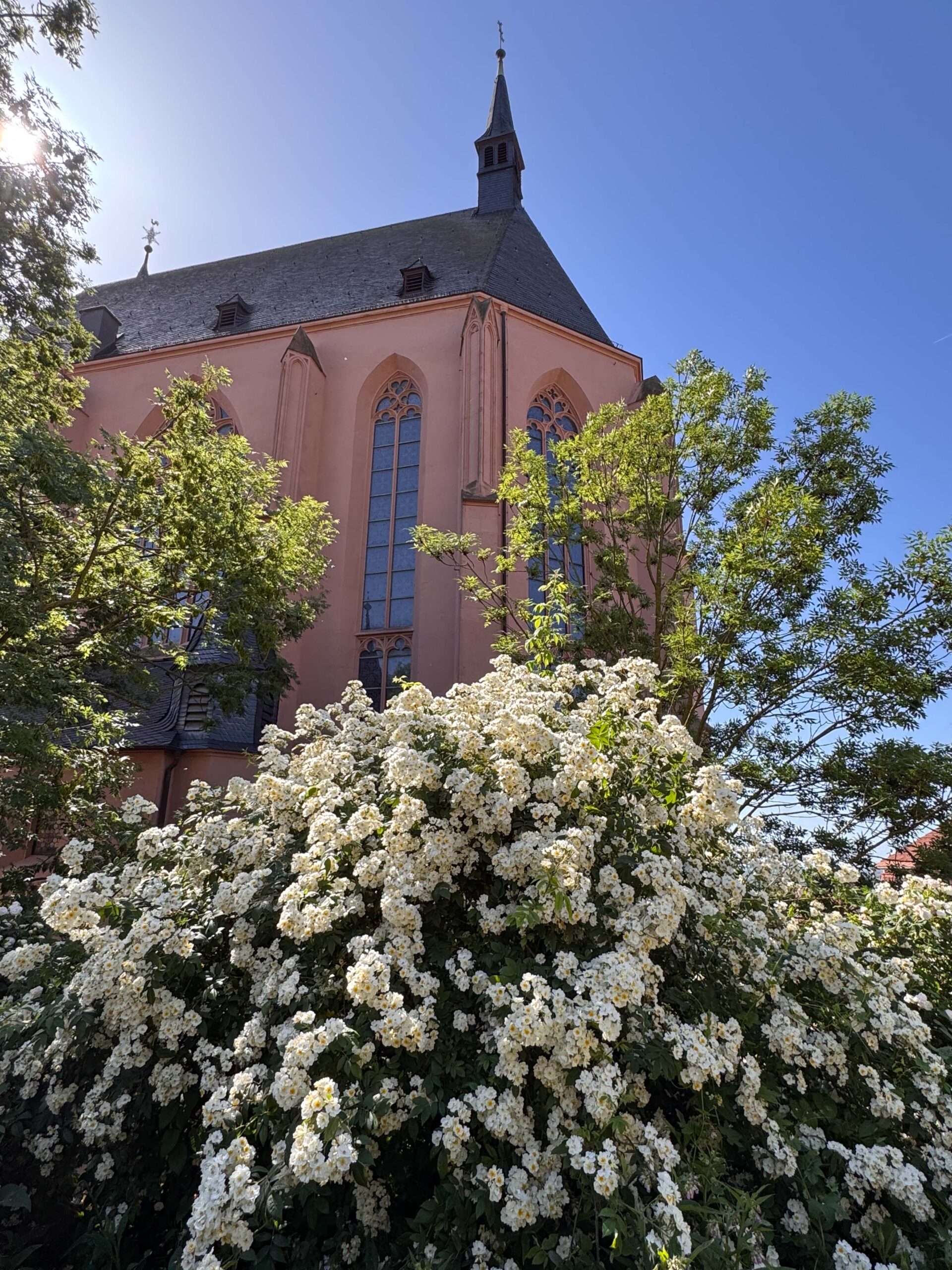
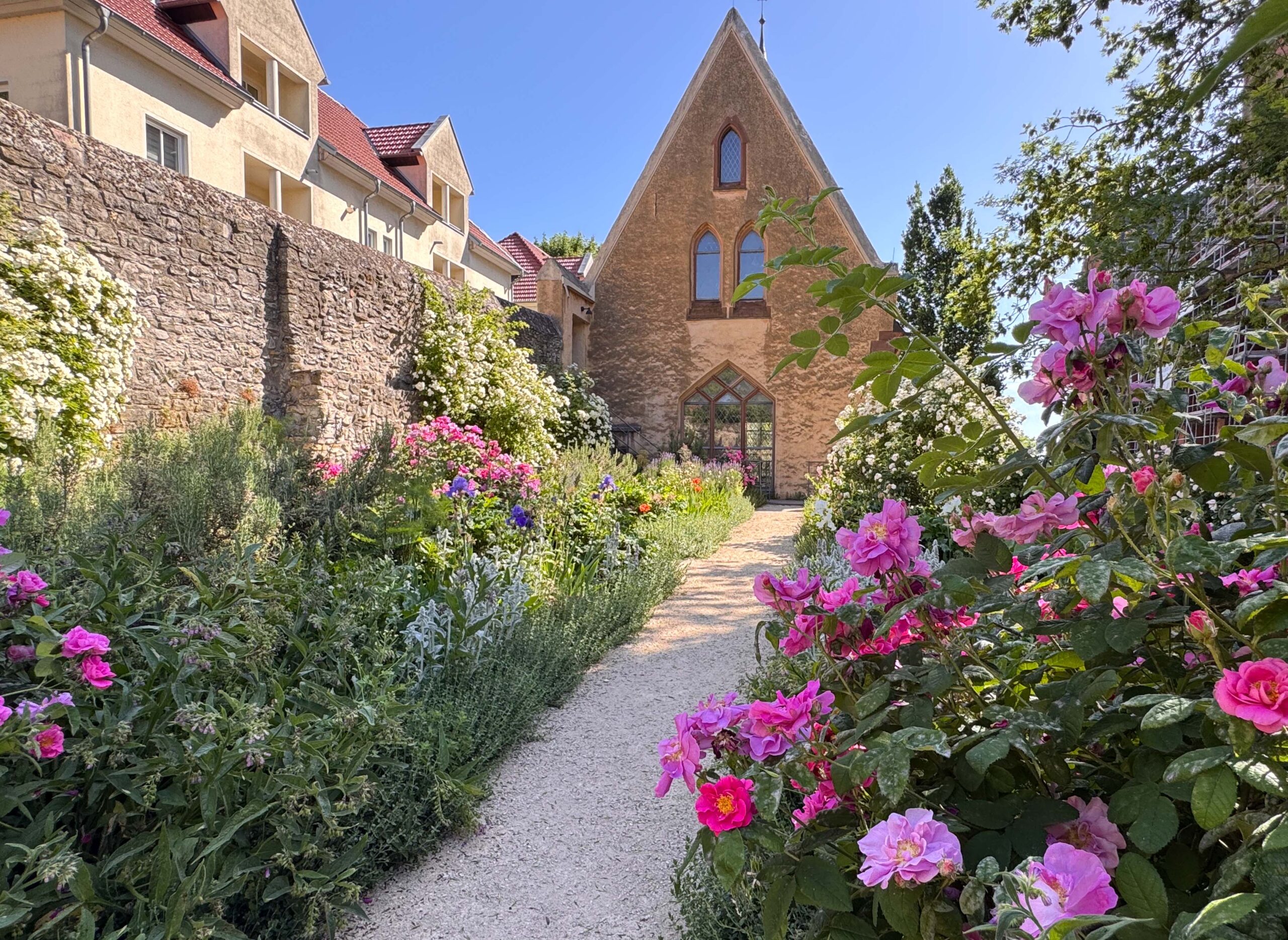
The tourist bustle in Oppenheim occurs primarily underground, in the St. Catherine's Church, the most significant Gothic church between Cologne and Strasbourg, and the mystical ossuary, located north of the church. But just a few steps up, right next to St. Michael's Chapel, lies a beautiful hidden gem that often goes unnoticed.
Peace and Contemplation
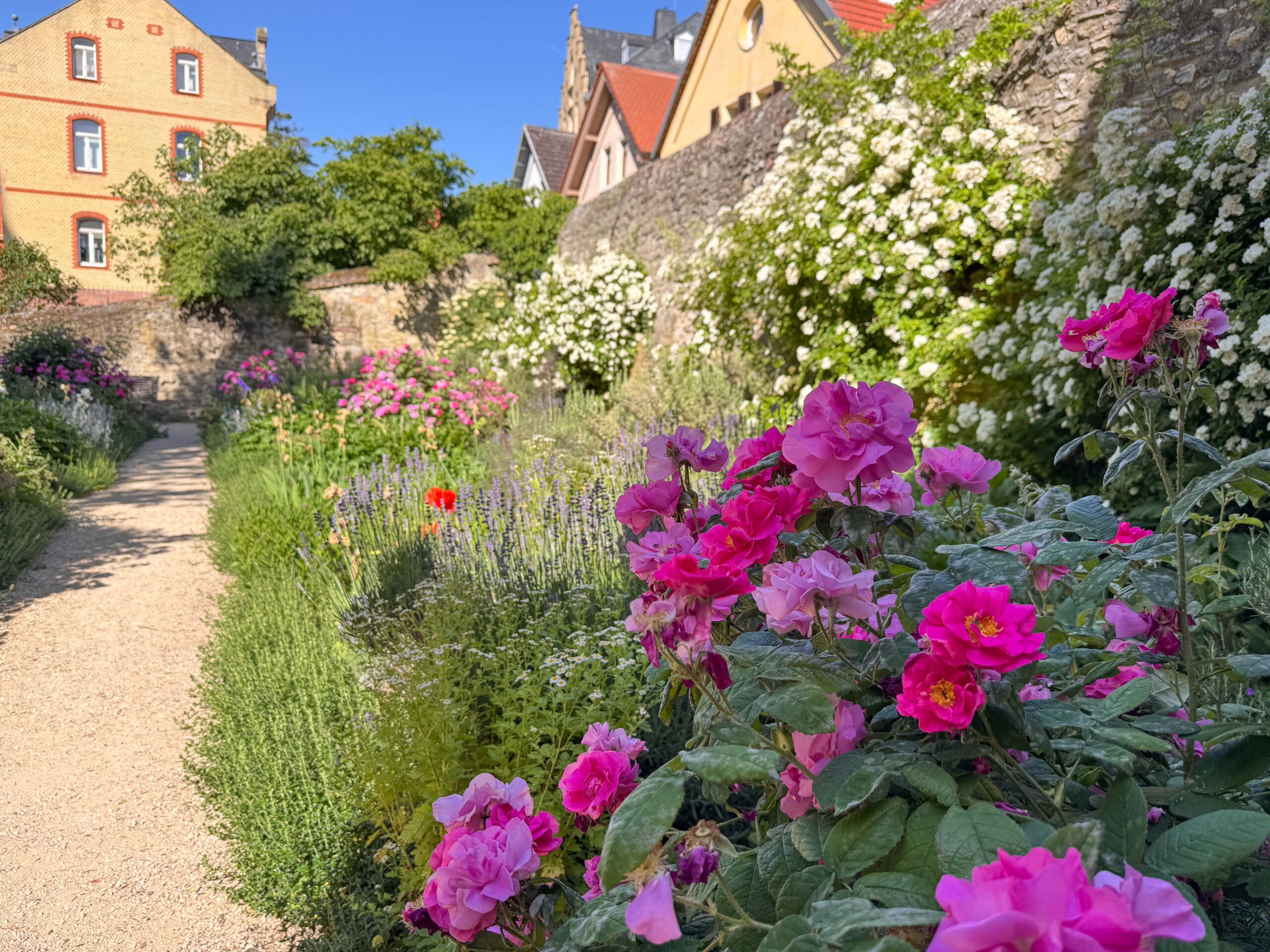
In the former Küster Garden, which was laid out in 2007 as a raised garden in the style of a classic monastery garden, offers a place of peace and reflection. Originally, the sexton’s garden served as a source of food and recreation for the sexton’s family, and the flowers were used as altar decorations in the church.
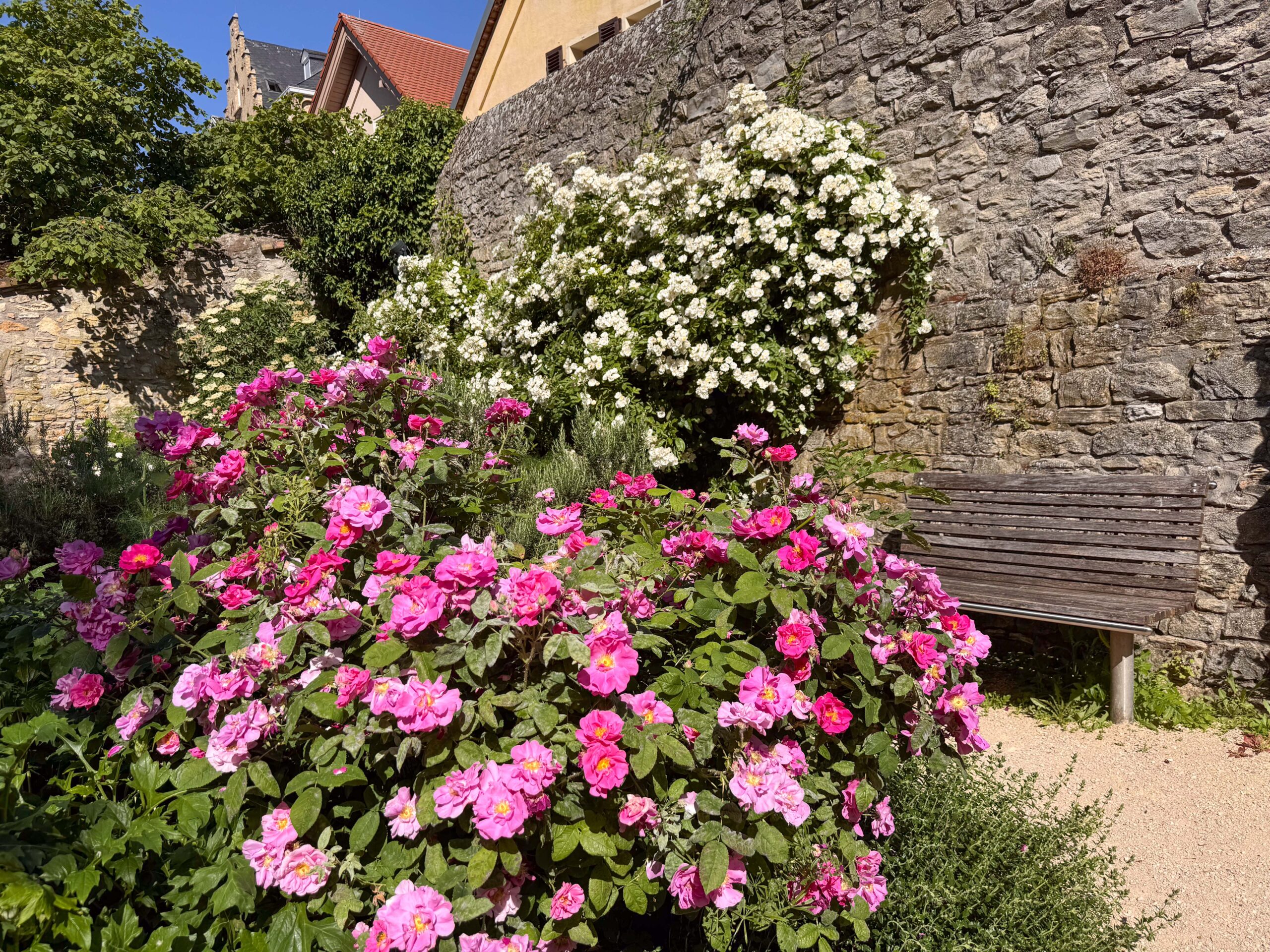
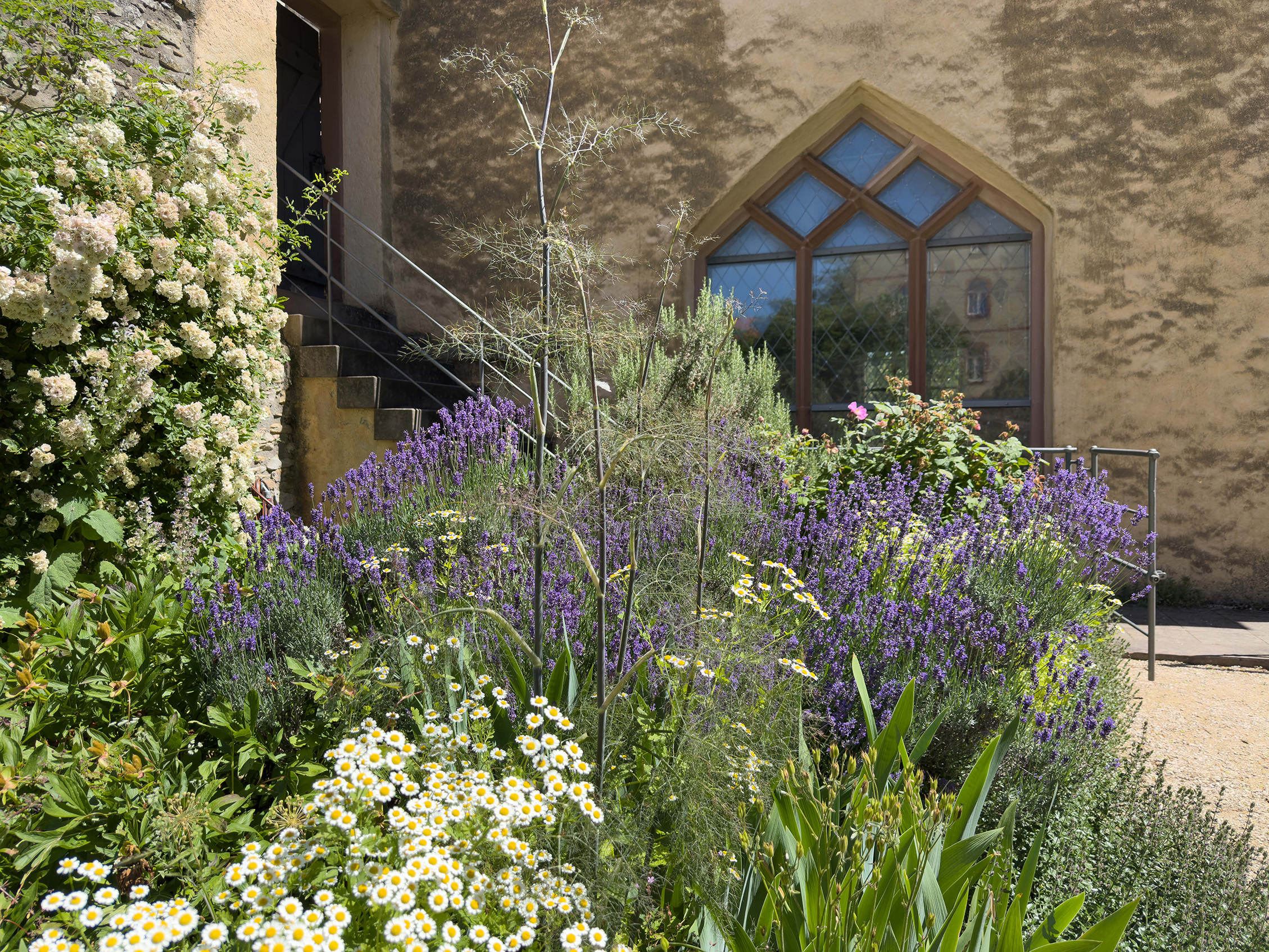
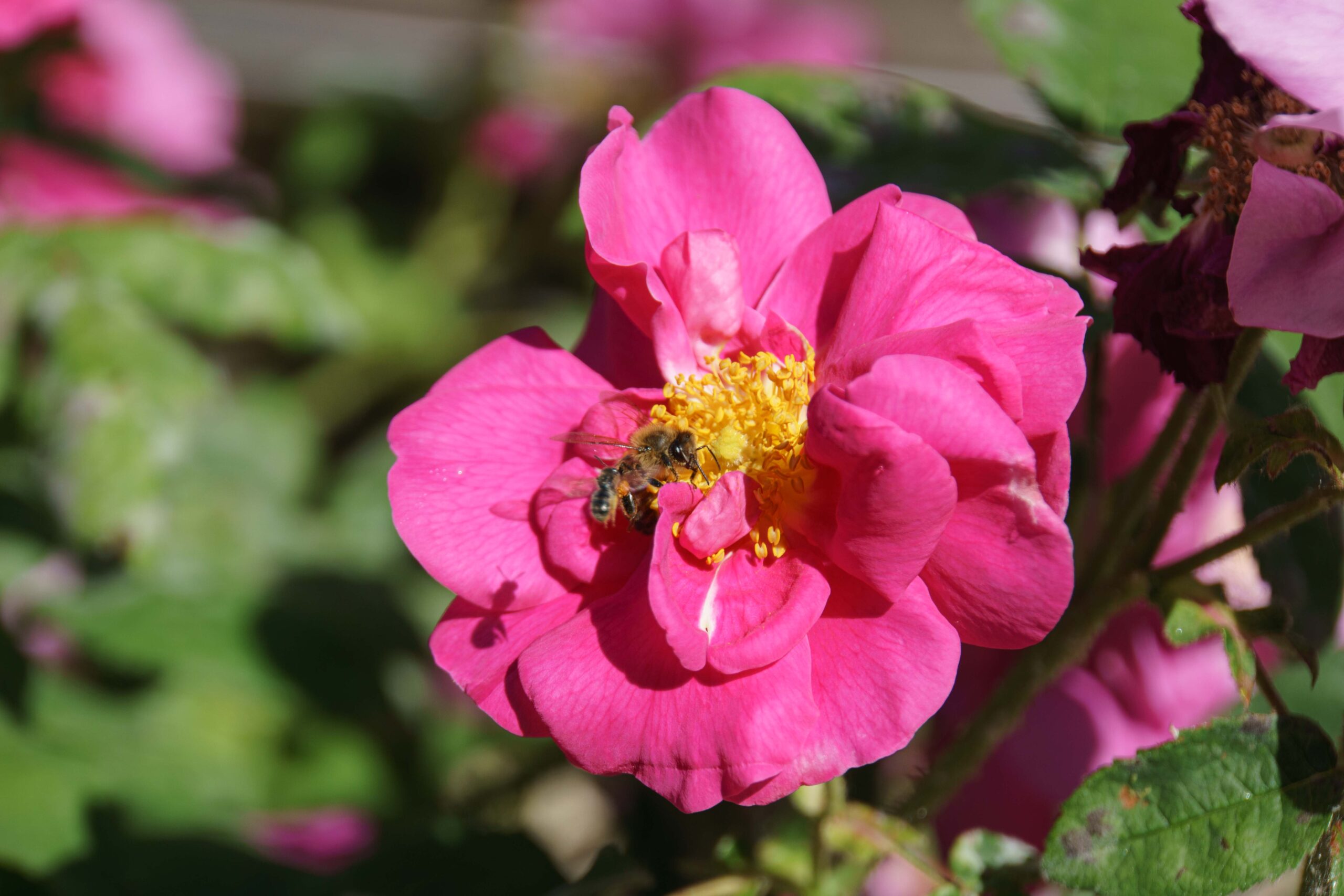
The wayside cross is bordered by fragrant noble chamomile, and benches for resting are tucked away among bright pink apothecary roses along the old church wall. A place of silence and contemplation.
Symbolism and Healing
No plant grows here by chance!
Silke Rautenberg and Peter Schön tend the garden and have selected the plants according to very specific criteria. It is no coincidence that the historic shrub rose „Félicité Parmentier,“ with its exquisite fragrance and white, double blooms tinged with pink, blooms in the shadow of St. Catherine’s Church: The year it was bred commemorates the first major renovation, which took place from 1834 to 1845.
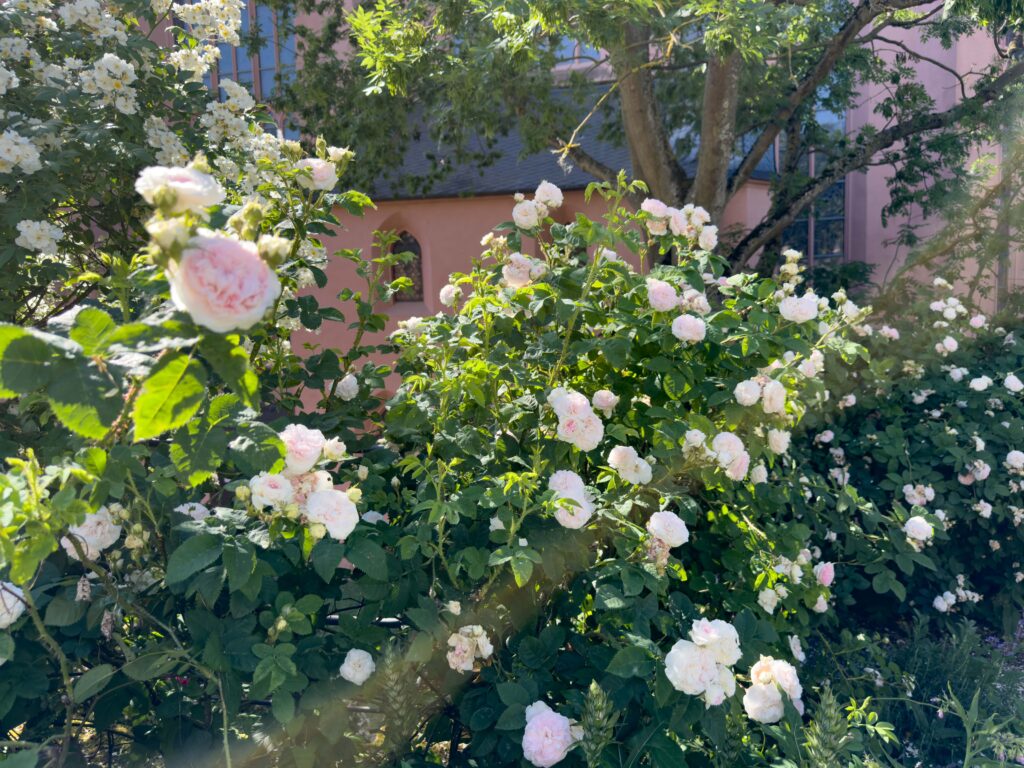
My visit to the chapel garden is accompanied by biologist Dr. Anna Packeiser, whose job is to maintain the church garden and plant it in a way that is adapted to the climate. She explains to me the symbolism of the columbine—a flower familiar to us from our home gardens—which is the plant of the Holy Spirit. When turned upside down, the flower symbolizes doves sitting in a circle, which in the Bible are closely associated with the Holy Spirit.
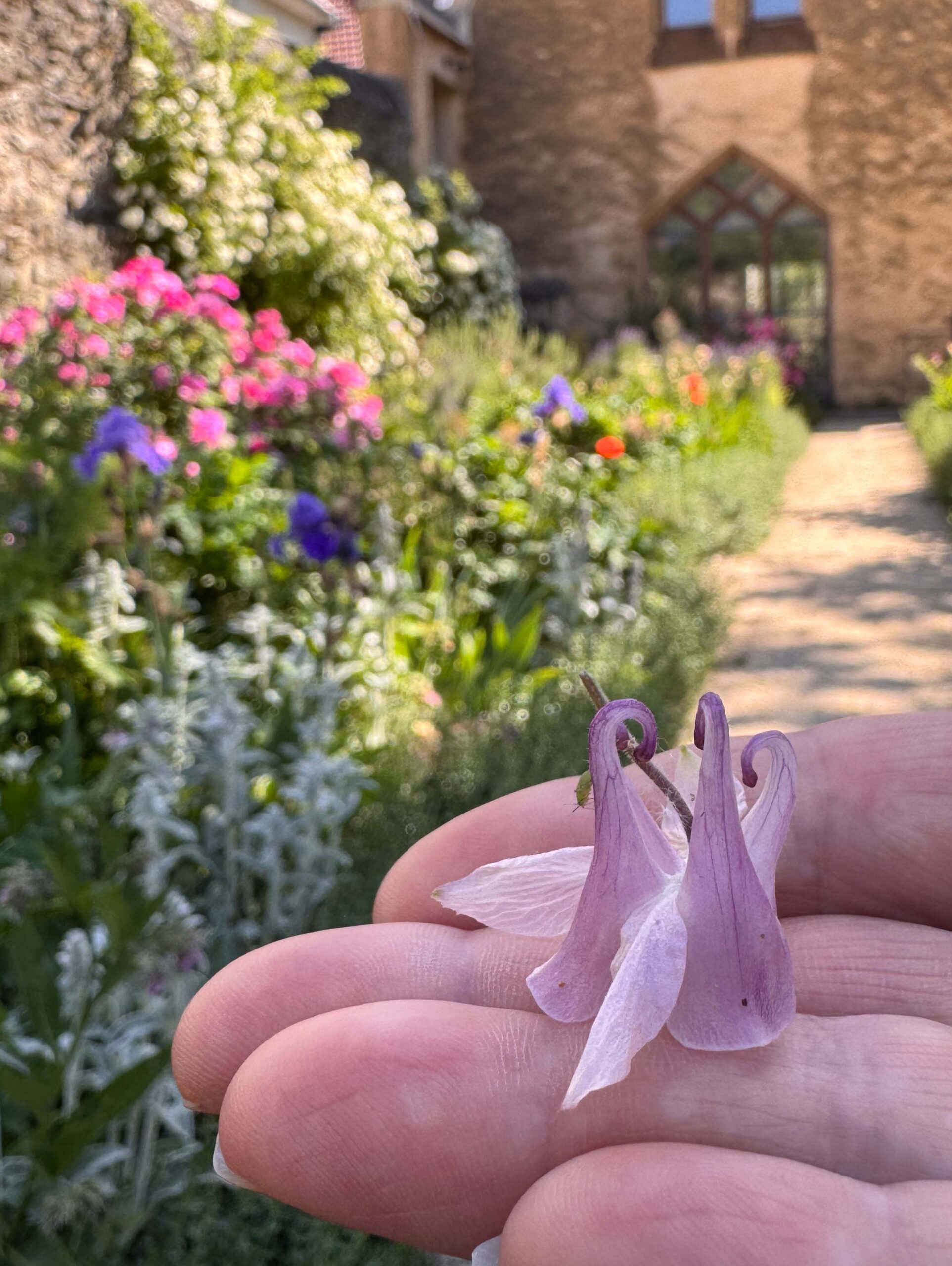
„Rose without thorns“—that is the peony, a symbol of Mary. Here, all the plants are connected to faith and church history.
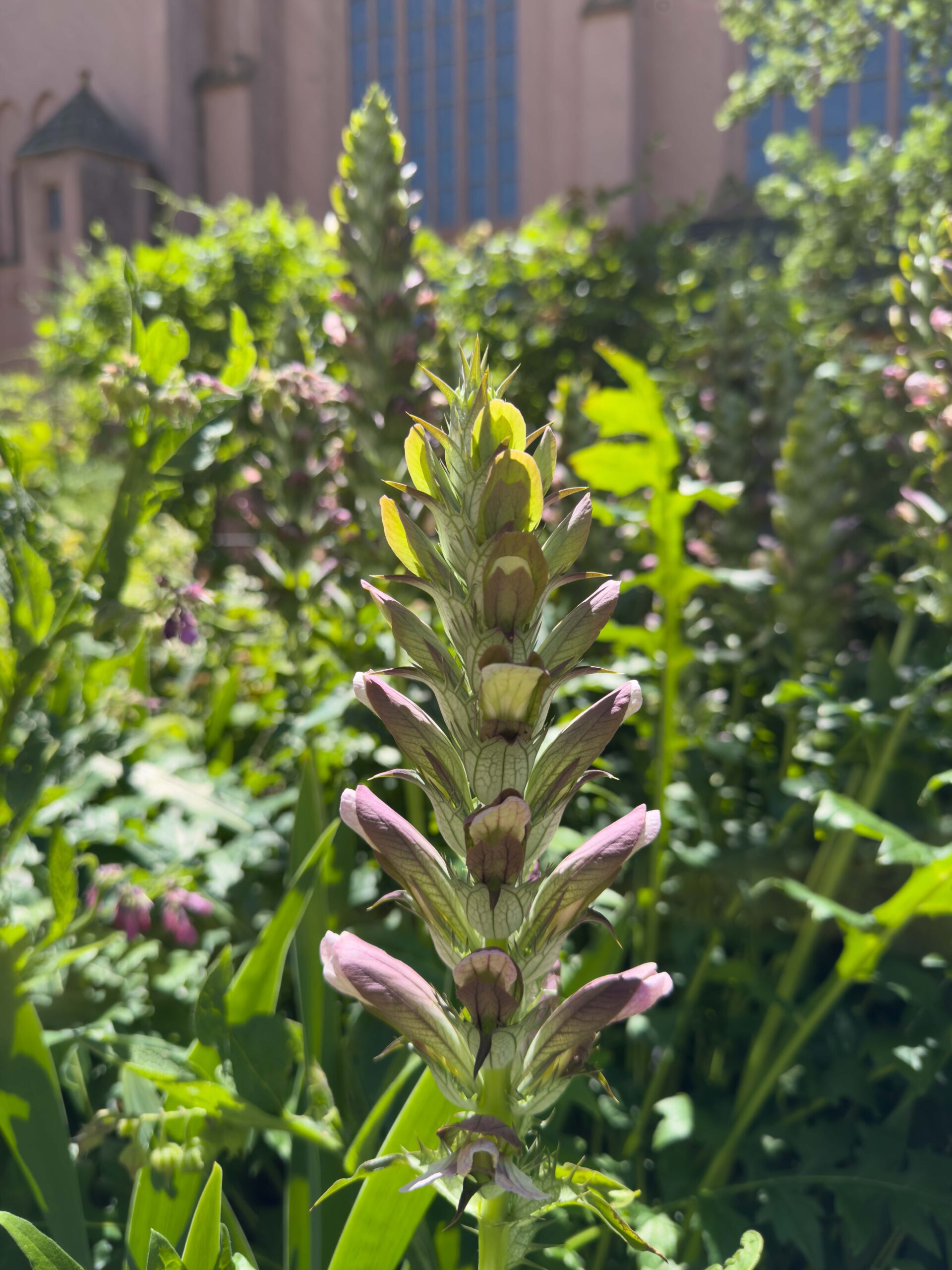
There’s one last thing I’d like to mention: the acanthus. Its leaf shape is a well-known decorative element on Corinthian columns and church capitals; it symbolizes resilience, but as a medicinal plant, it’s also said to aid in wound healing. I could listen to these fascinating stories forever.
An Explosion of Fragrance – Herbs, Perennials, Roses
Medicinal herbs are considered particularly important. Rosemary, yarrow, borage, fennel, hollyhocks, kitchen sage, comfrey, hyssop, feverfew, wild marjoram, Roman chamomile, and several others round out the diverse selection of plants.
The garden is open to visitors daily from 9 a.m. to 6 p.m. It's a real hidden gem, tucked away in Oppenheim's old town.
Guided tours are available through the „Association of Friends and Supporters of St. Catherine's Church in Oppenheim“ are offered and delight plant lovers from near and far.
These photos were taken with the kind permission of the Oppenheim parish. Thank you very much.
A Walk Through Herrnsheim Castle Park
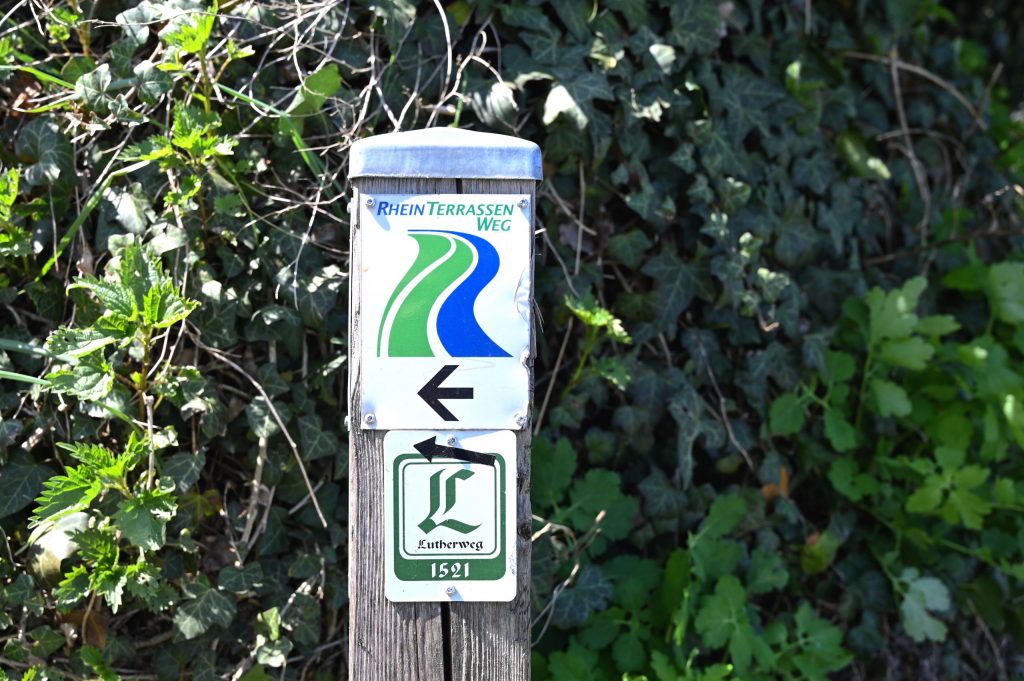
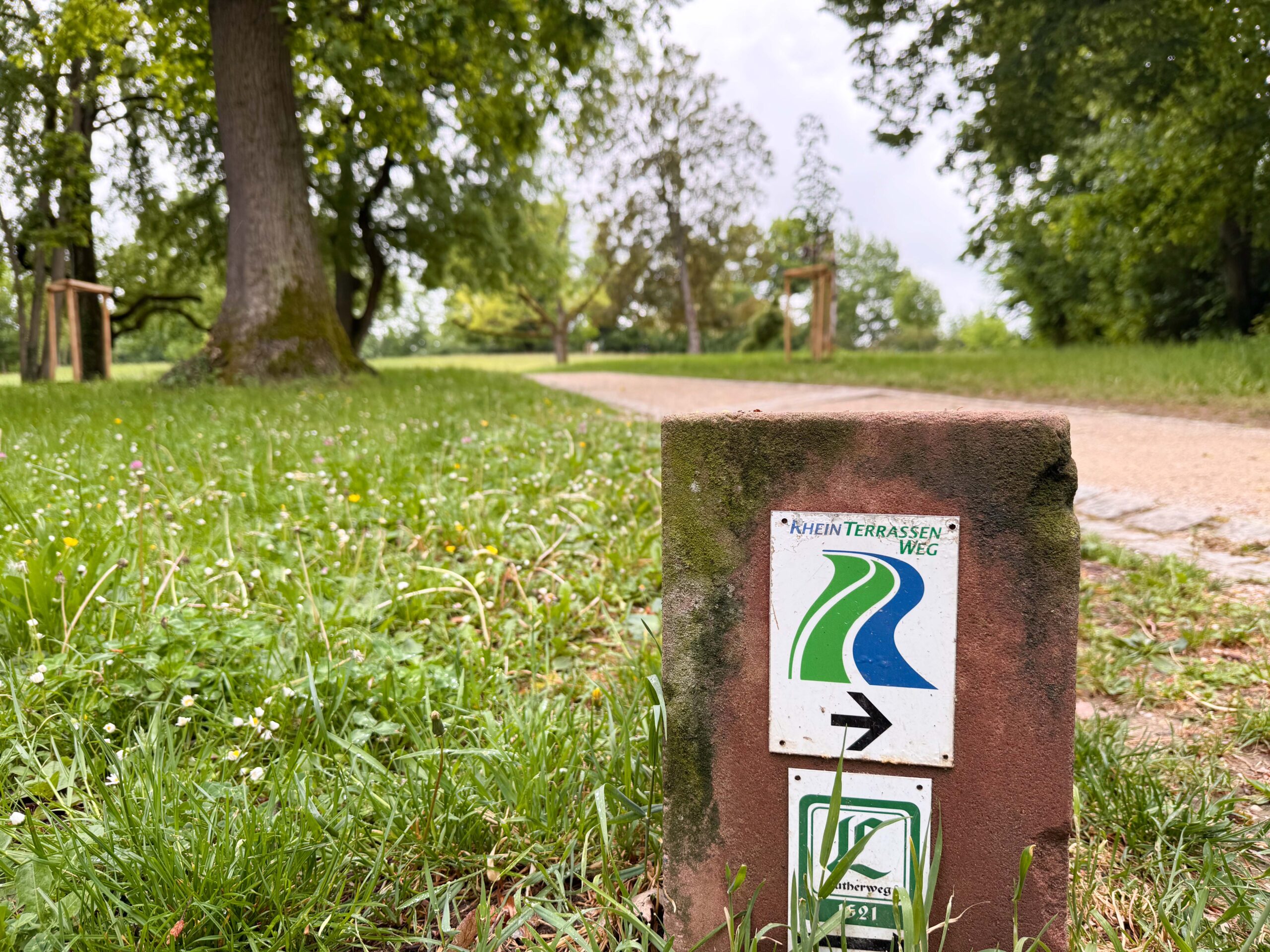
In the very southern part of Rheinhessen, the RheinTerrassenWeg and the Luther Trail the sprawling park in the Herrnsheim neighborhood of Worms.
Stately Empire-style Castle in Rheinhessen
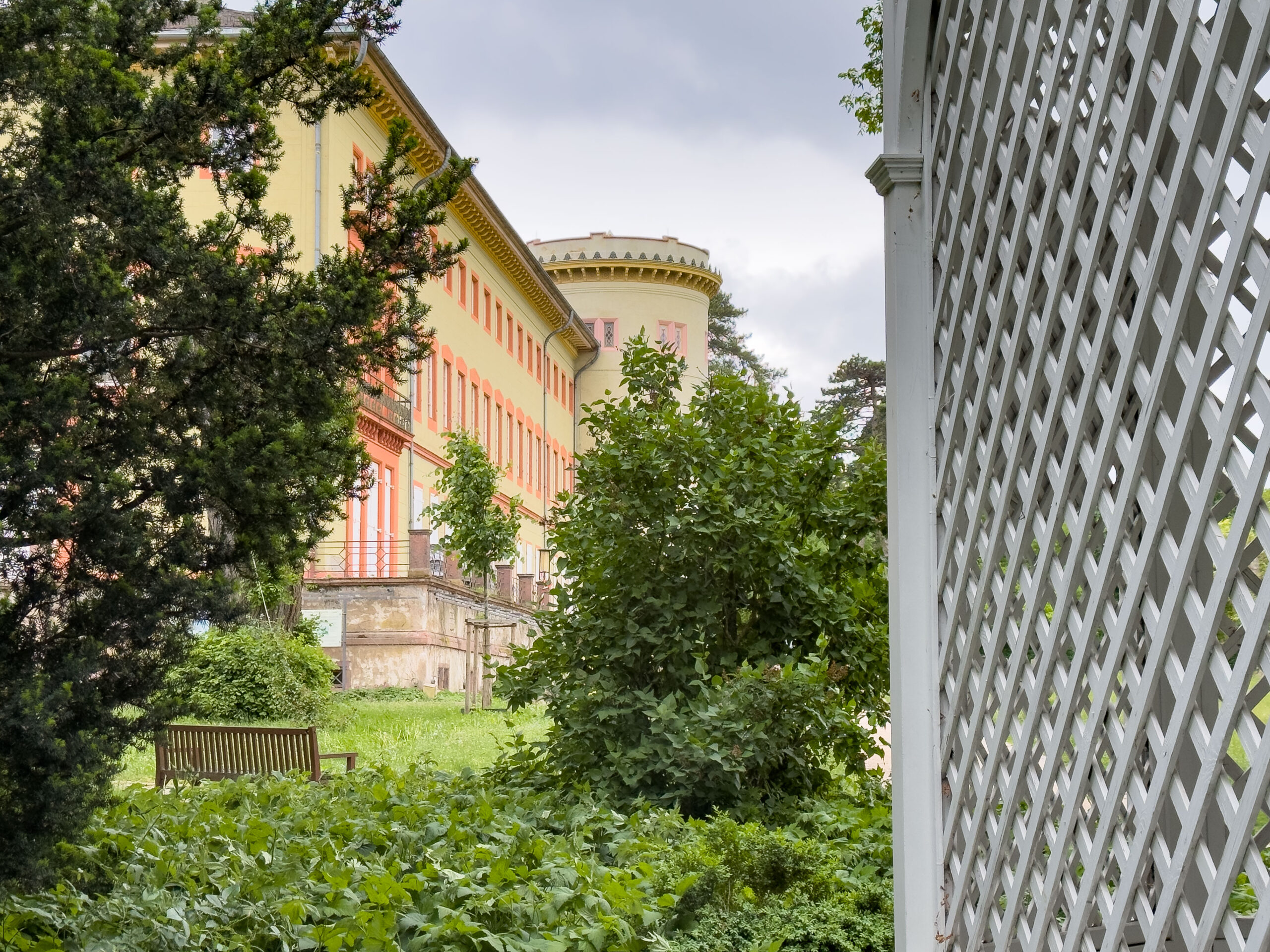
The originally Baroque Herrnsheim Castle It dates from after 1711, but was severely damaged in 1792, rebuilt, and modified again in 1840. As a unique cultural treasure among the Empire-style castles in Rhineland-Palatinate, it is a popular vacation destination for culture enthusiasts. It is currently undergoing extensive restoration; therefore, the interior can only be viewed via the virtual tour.
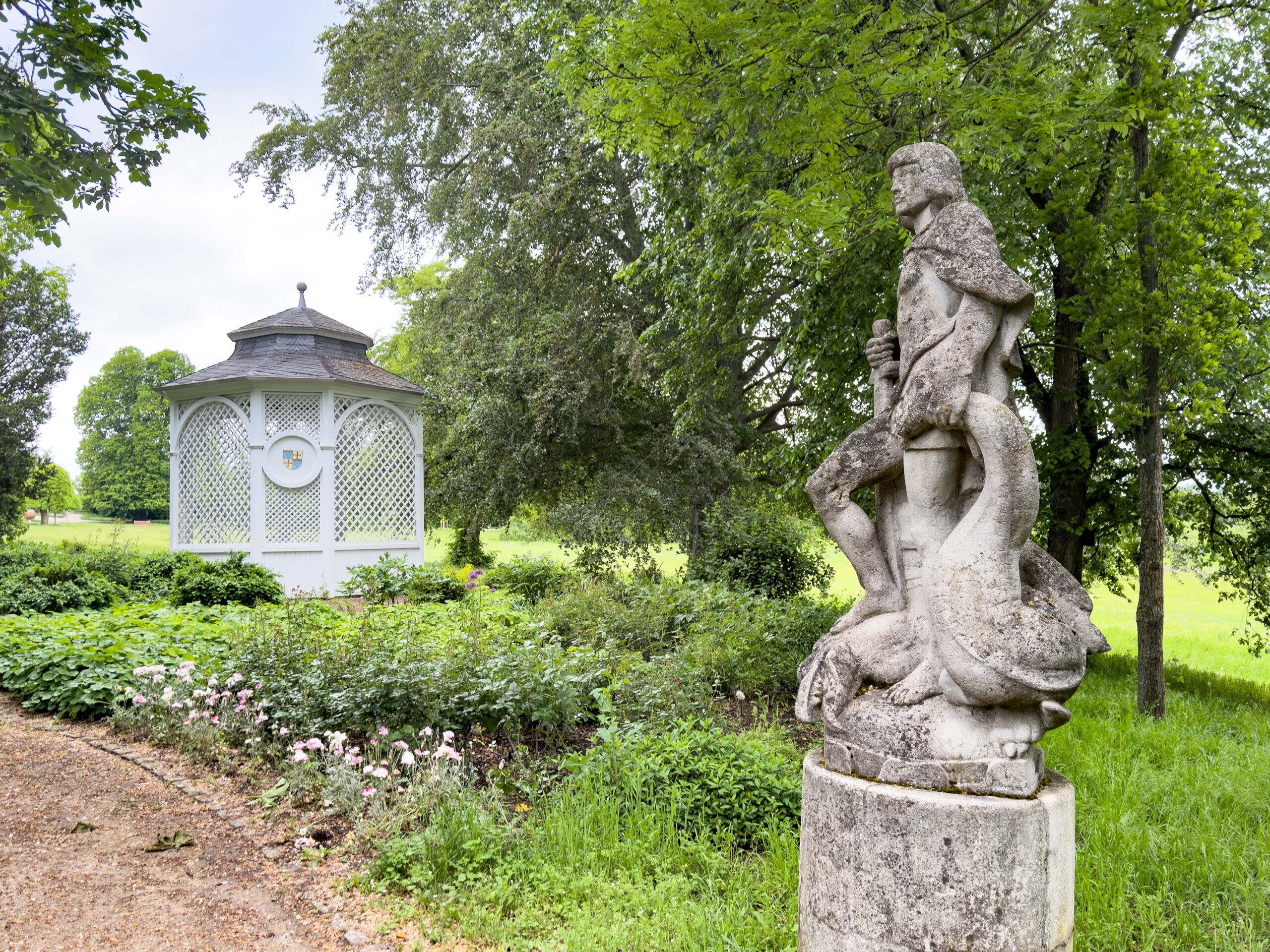
Until it reopens in all its glory for weddings and guided tours, the sprawling castle gardens—with their pavilions and small lakes—remain open to visitors at all times.
The view toward the castle
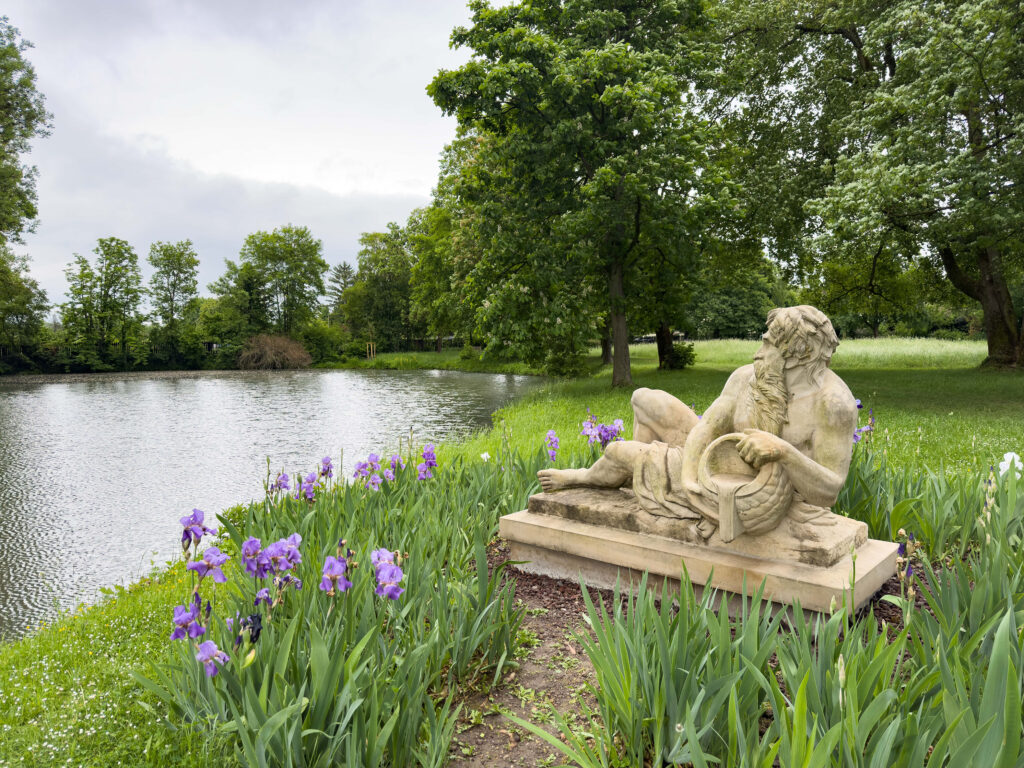
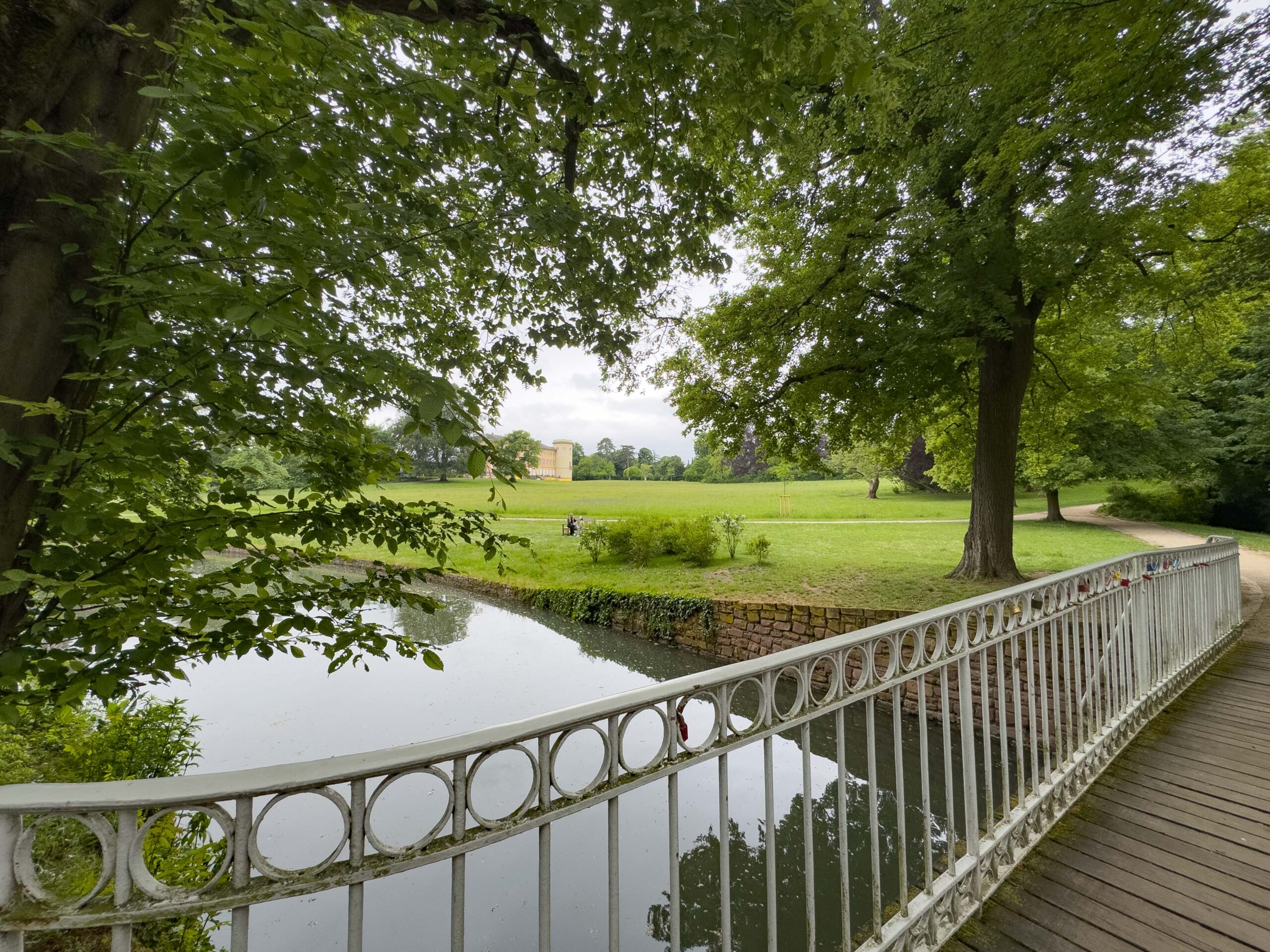
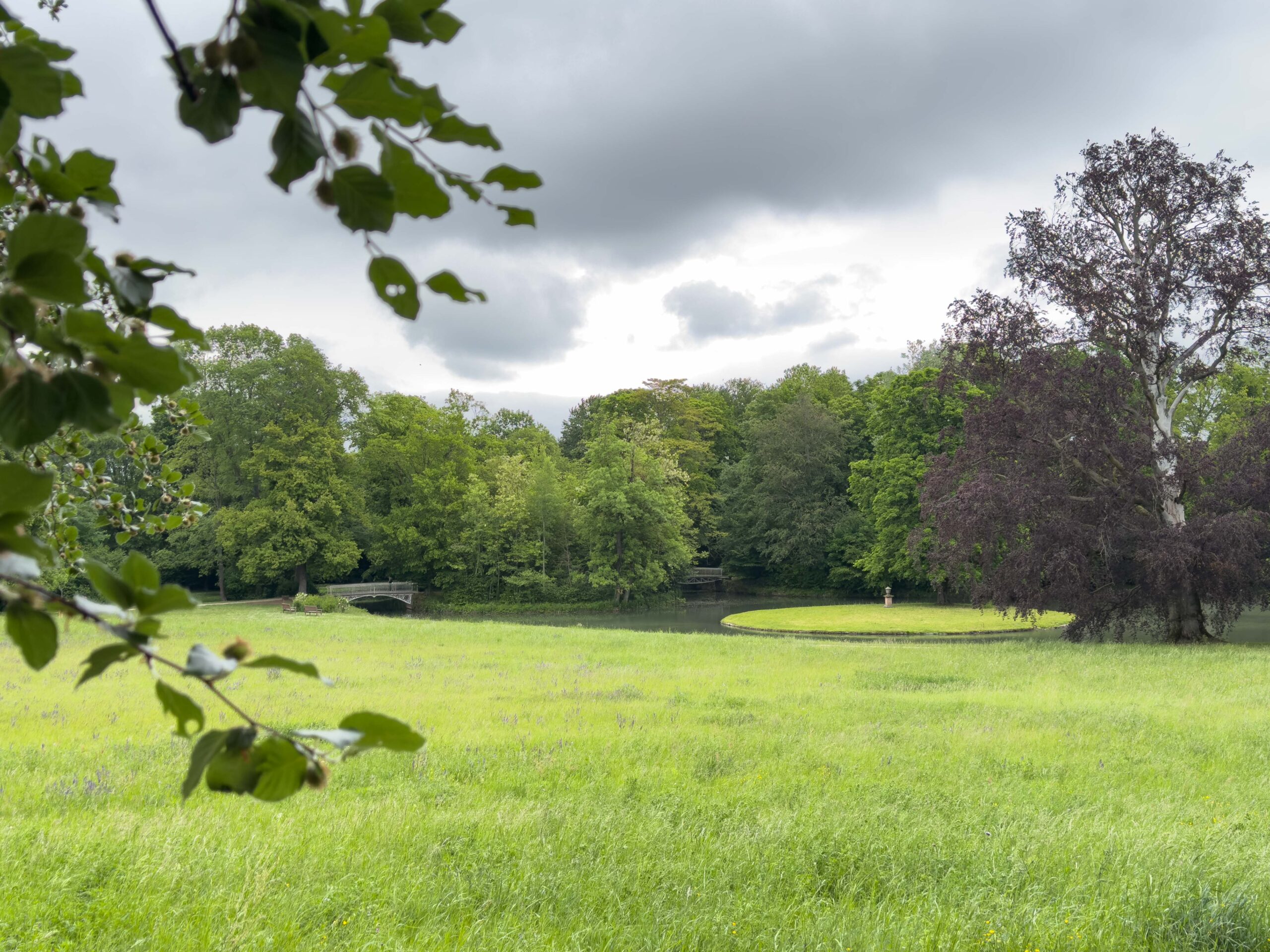
The park, which covers approximately 10.5 hectares, is one of the most popular settings for unforgettable wedding photo shoots. White bridges, idyllic ponds, expansive meadows, shady wooded areas, and a picturesque island constantly offer new and fascinating perspectives. Passing by elegant white pavilions, romantic scenes unfold that impressively showcase the special charm of one of the most significant English landscape gardens in Rhineland-Palatinate. Here, every moment becomes a timeless memory—set against a backdrop of tranquility, beauty, and elegance.
Events on the park grounds
But the park has more to offer: It provides a picturesque backdrop for concerts as well as for the Spring Festival, guided tours focusing on herbs and medicinal plants, and, of course, „Open Monument Day.“.
You can find the latest dates on the Website of the Friends of Herrnsheim Castle & Park Association (e.V.).
Guided tours for groups can be booked through the Website can be booked online.
A Look at the Neighbors: Bad Kreuznach’s Green Lung
Take a deep breath and enjoy…
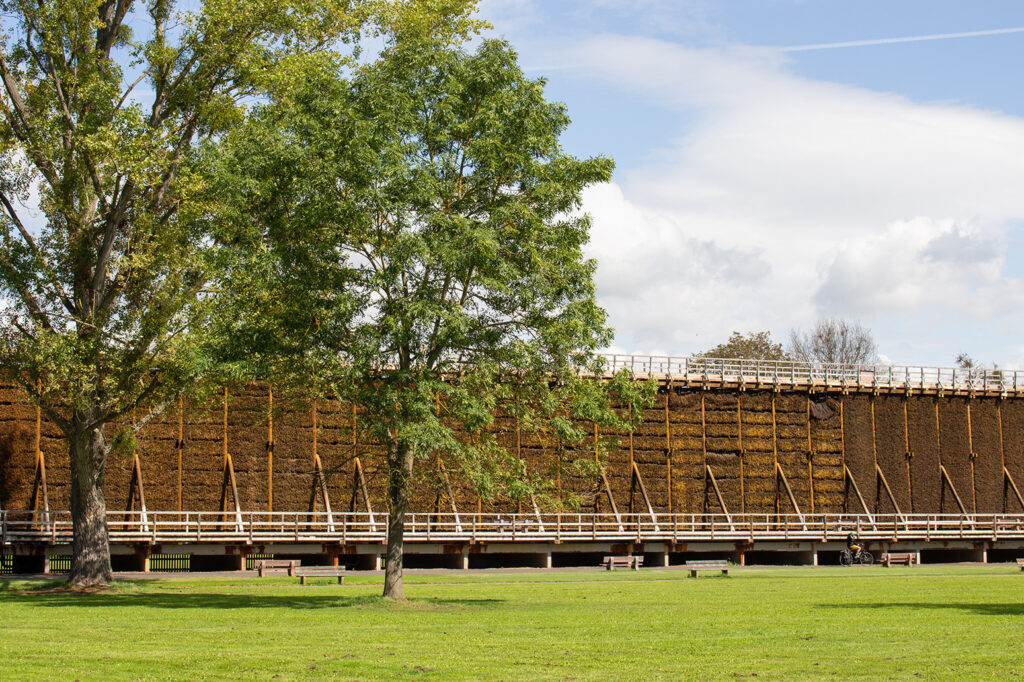
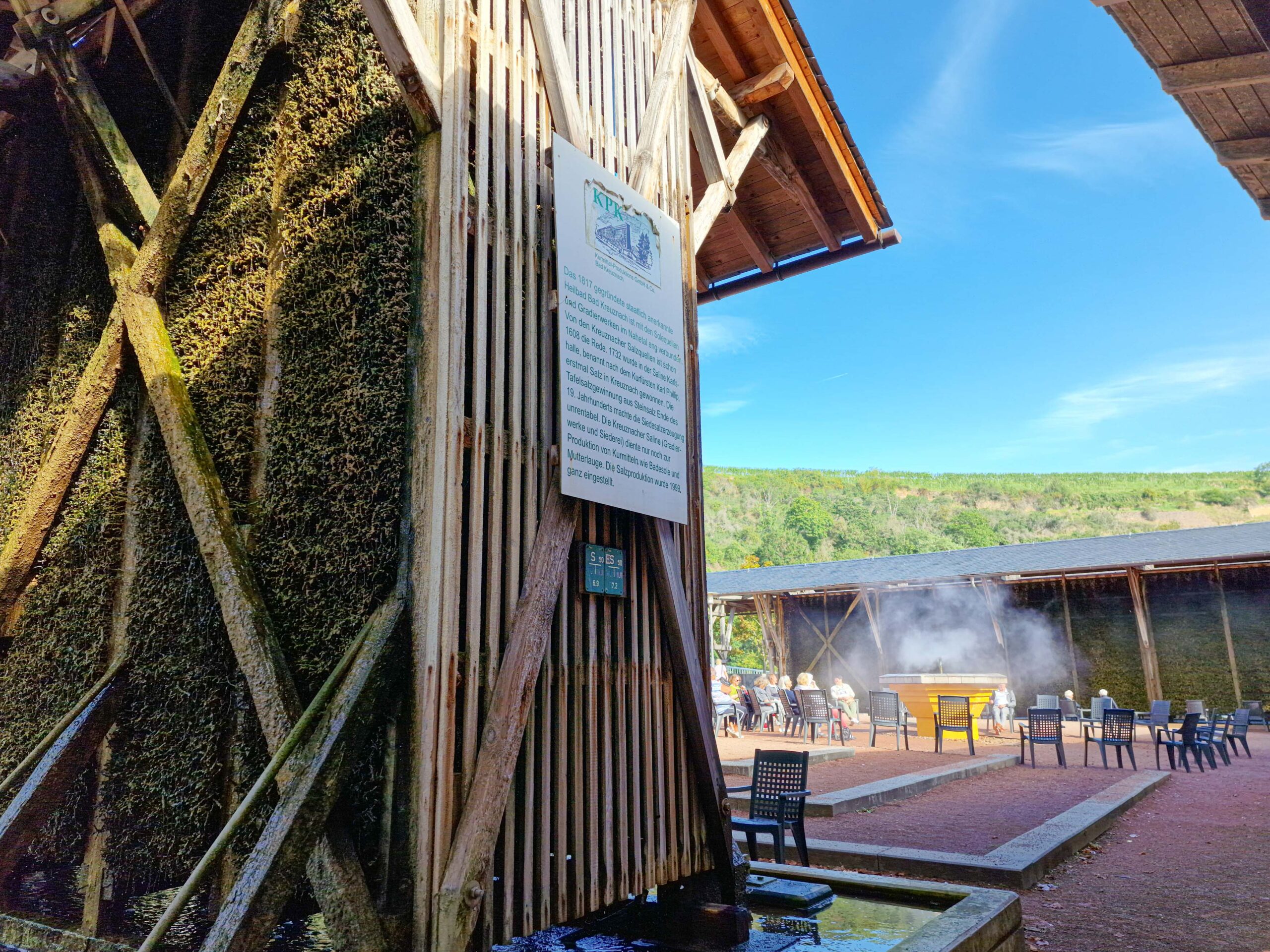
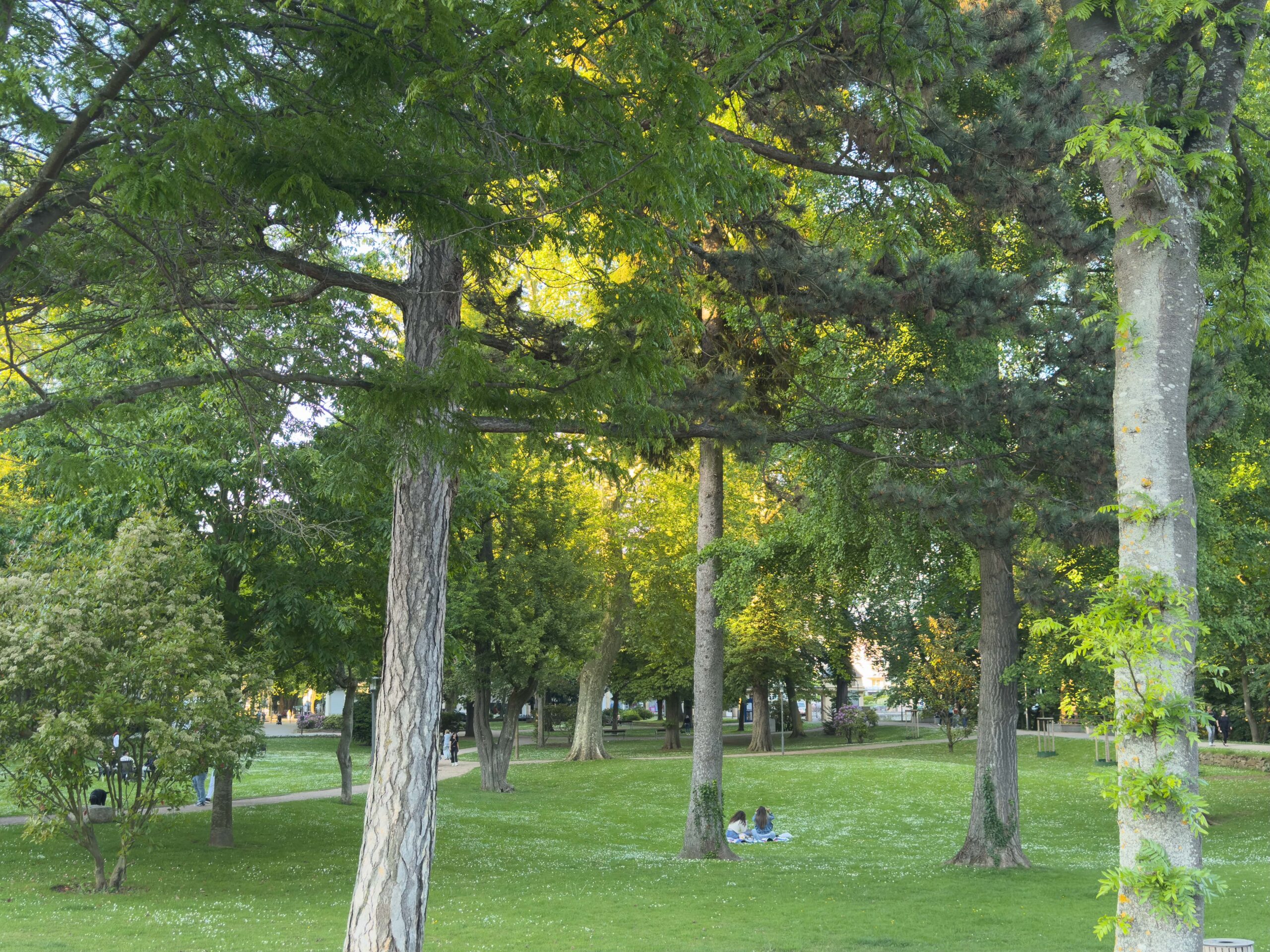
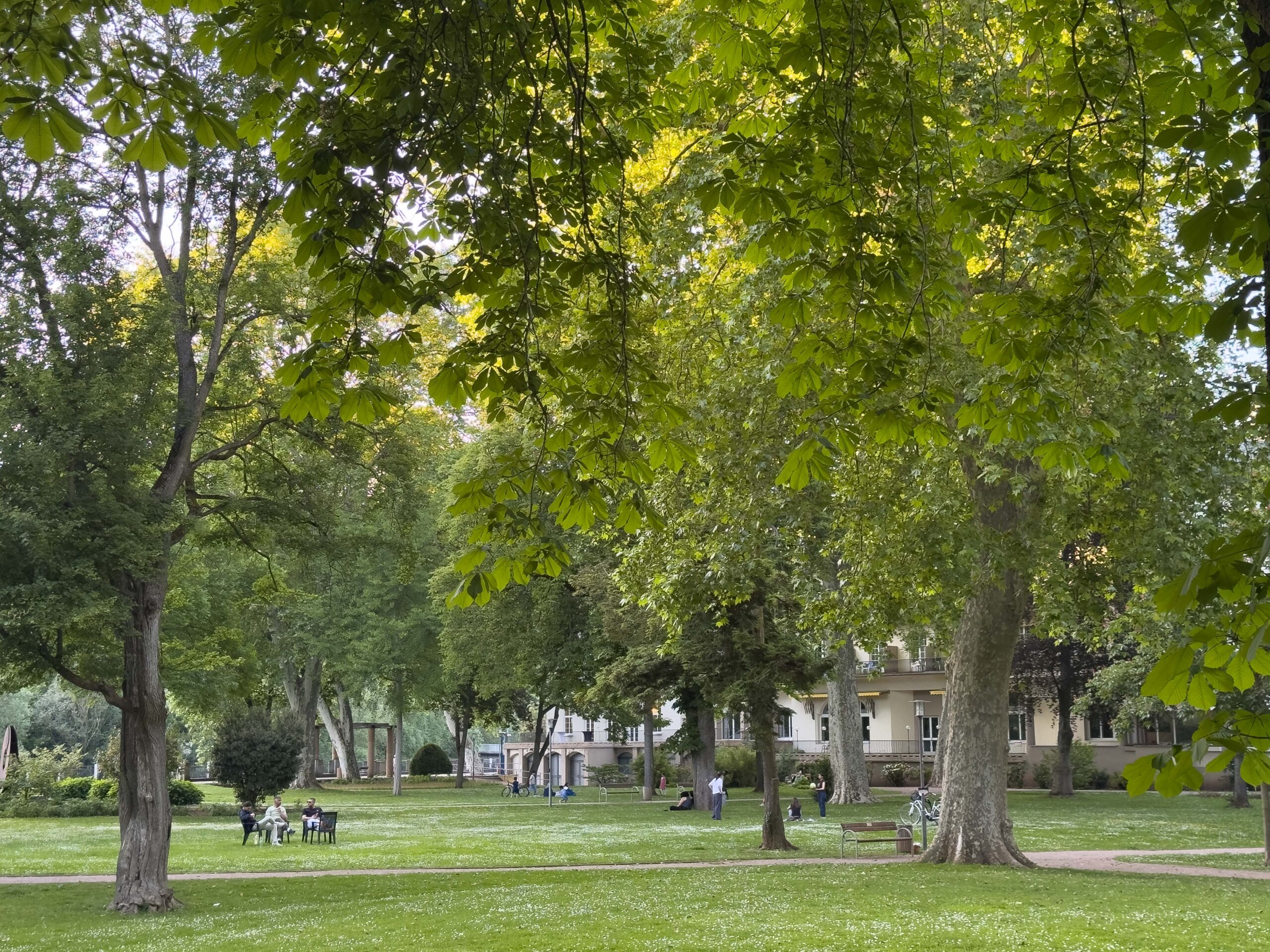
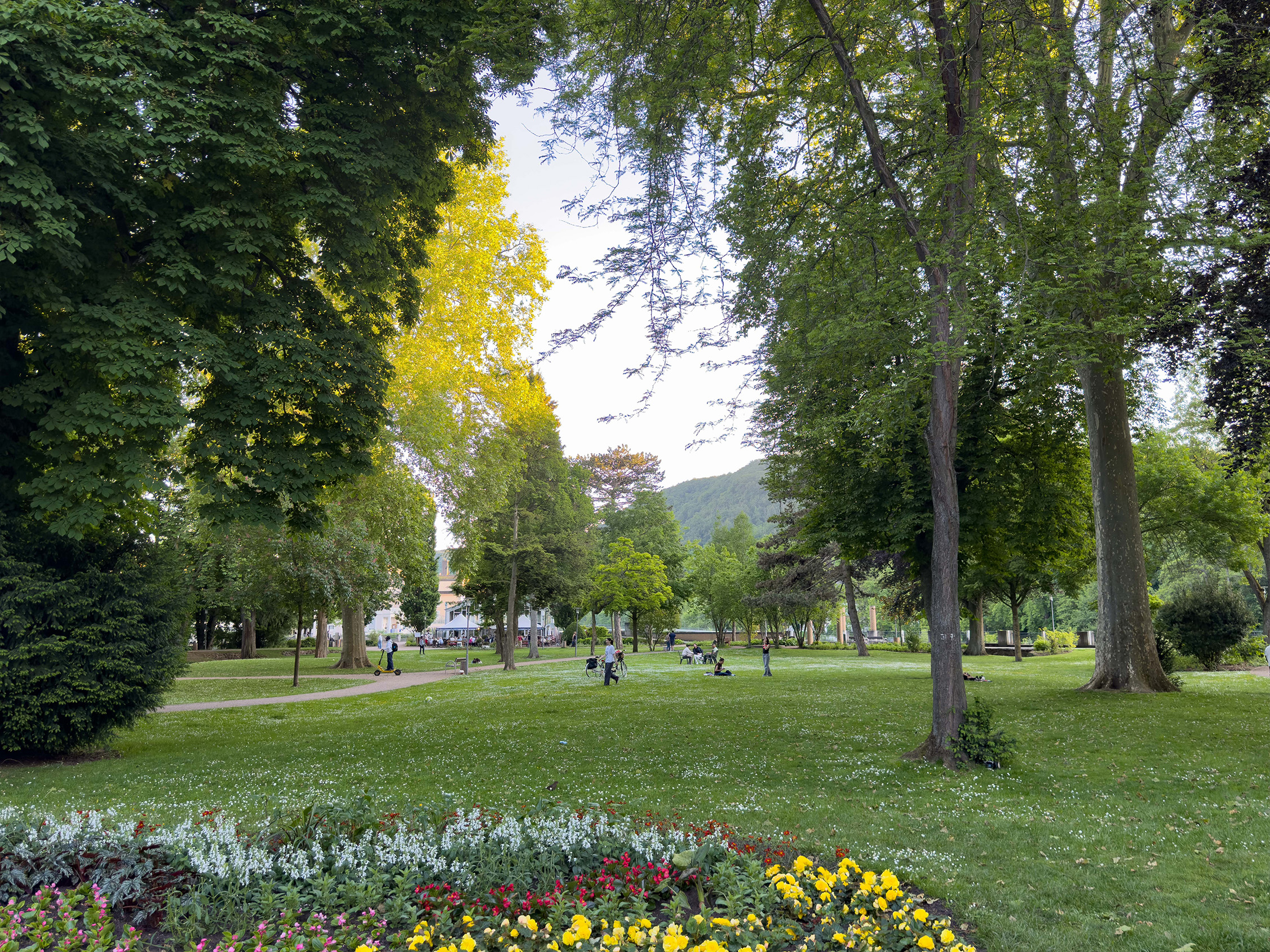
… that's in the Bad Kreuznach Spa Park Of course. Not only does the expansive meadow along the nearby Nahe River invite you to relax, but the open-air graduation tower is also open to everyone.
This cozy little spa town has a charm all its own. Spa guests stroll through the garden, a group of young people has made themselves comfortable on the lawn—here, relaxation comes first!
The thermal healing water from springs up to 500 meters deep provides a refreshing, healing sea breeze, and the soothing effects of the salty healing water mist envelop the guests gathered around the Solezerstäuber.
A total of nine open-air graduation towers create the healing climate in Bad Kreuznach and captivate spa guests, vacationers, and day visitors alike. The misting takes place daily from 8 a.m. to 9 p.m. from Easter through November.










2 Responses
What a lovely post 😍 I've already been to the Botanical Garden in Mainz—it's definitely worth a visit! Next, I'm going to check out the garden in Dexheim.
Hi, Tabea, thanks for the positive feedback. We're glad you enjoyed reading it. We hope you have just as much fun discovering the other oases 😉